Marathwada Farmers Entrapped by Expanding Micro‑Finance Networks
A wave of indebtedness has swept across the drought‑prone region as smallholders fall prey to aggressive lending practices. The crisis threatens agrarian stability and may prompt regulatory scrutiny of micro‑finance institutions.
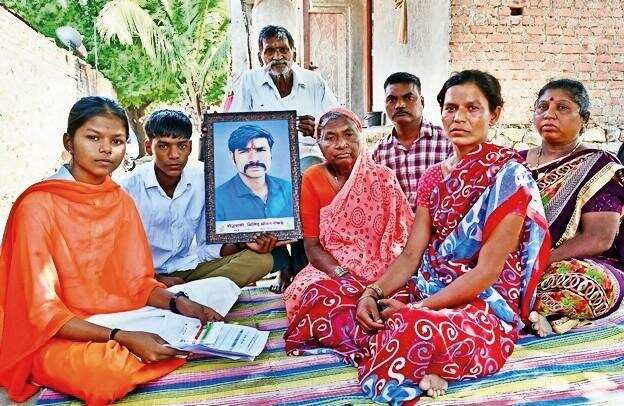
The concrete rupture became evident when dozens of Marathwada farmers approached local media, describing how layered loans from multiple micro‑finance firms left them with repayment schedules that exceeded seasonal harvest yields. Many borrowers reported that lenders bundled high‑interest credit with mandatory purchase of seed and fertilizer, creating a cycle of dependency that deepened financial strain. The cumulative debt burden has already forced several families to abandon cultivation, converting arable land to fallow plots.
Underlying tension revolves around the regulatory vacuum that allows micro‑finance entities to operate with minimal oversight in rural Maharashtra. While these firms market themselves as engines of financial inclusion, critics contend that their aggressive expansion into agrarian markets exploits information asymmetry and limited borrower literacy. State agricultural departments have warned that unchecked lending could exacerbate the region’s chronic water scarcity, as indebted farmers are less able to invest in irrigation improvements.
The downstream casualties are stark: rising farmer suicides, a surge in land sales to corporate agribusinesses, and a potential wave of legal disputes over loan recovery practices. The state government has announced a task force to examine lending practices, but implementation may be delayed by bureaucratic inertia. If reforms are enacted, they could reshape the micro‑finance sector’s operating model, compelling lenders to adopt transparent terms and stricter credit assessments.
Comments 0