Mass Detentions Signal Escalating State Repression of Youth Dissent in Delhi
Indian authorities arrested thousands of young demonstrators who attempted to congregate in the capital, abruptly halting a planned mass rally against the prime minister and the election chief. The operation has intensified scrutiny of governmental tolerance for dissent and sparked immediate alarm among civil‑rights organisations.
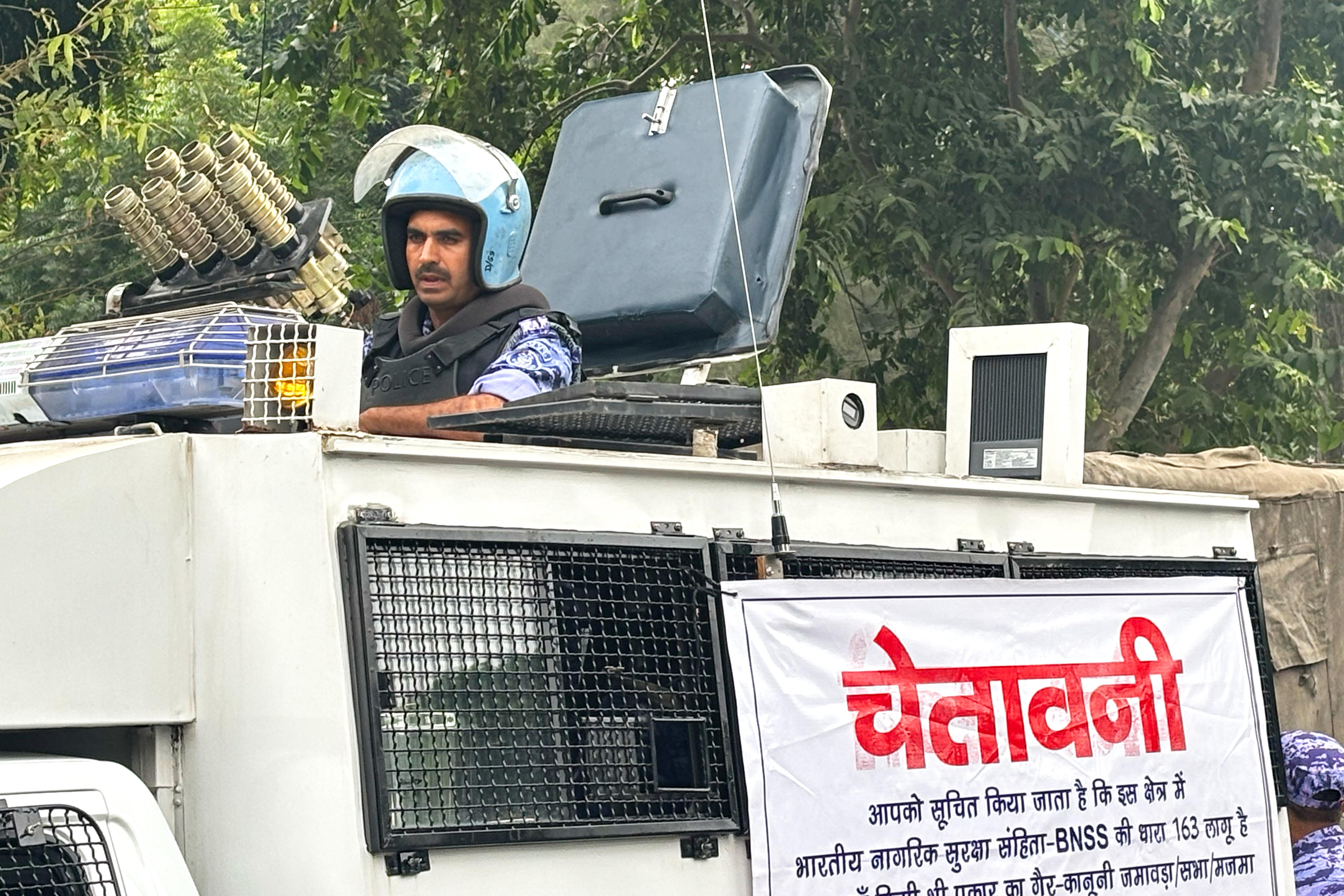
The concrete rupture unfolded in the early hours of Tuesday when Delhi police, backed by paramilitary units, moved into the vicinity of Jantar Mantar and seized more than three thousand individuals, many of them university students and first‑time protestors. The arrests were carried out under a broad interpretation of public order statutes, and detainees were transported to multiple holding facilities across the city. The sheer scale of the operation, executed with coordinated roadblocks and electronic surveillance, underscored a decisive shift toward pre‑emptive suppression rather than reactive policing.
Underlying tension has been simmering since the announcement of the forthcoming general election, with a growing perception among youth that the electoral machinery is being weaponised to marginalise opposition voices. The election chief, whose recent directives have tightened scrutiny of political gatherings, has become a focal point of anger, symbolising an expanding nexus between the ruling party and the administrative apparatus. Institutional friction is evident in the clash between the judiciary, which has issued limited injunctions against mass arrests, and the executive, which has repeatedly justified the crackdown as a safeguard against communal unrest.
The downstream casualties are already manifesting in a palpable chilling effect on public assembly, as student unions report a sharp decline in planned events and NGOs warn of dwindling donor confidence. International observers have issued statements condemning the mass detentions, hinting at potential diplomatic repercussions that could affect trade negotiations and foreign aid. Within months, the erosion of civic space may translate into reduced political participation, thereby consolidating the incumbent's grip on power while alienating a generation that once promised to invigorate democratic discourse.
Comments 0