Memory Chip Valuations Signal a Dangerous Market Peak
Analysts warn that the seemingly attractive low valuations of Micron and Sandisk are not indicators of undervaluation but of impending price collapse in the memory chip market. This counterintuitive signal suggests that the sector is at a cyclical peak, where cheap multiples reflect the exhaustion of demand rather than a bargain opportunity for investors.
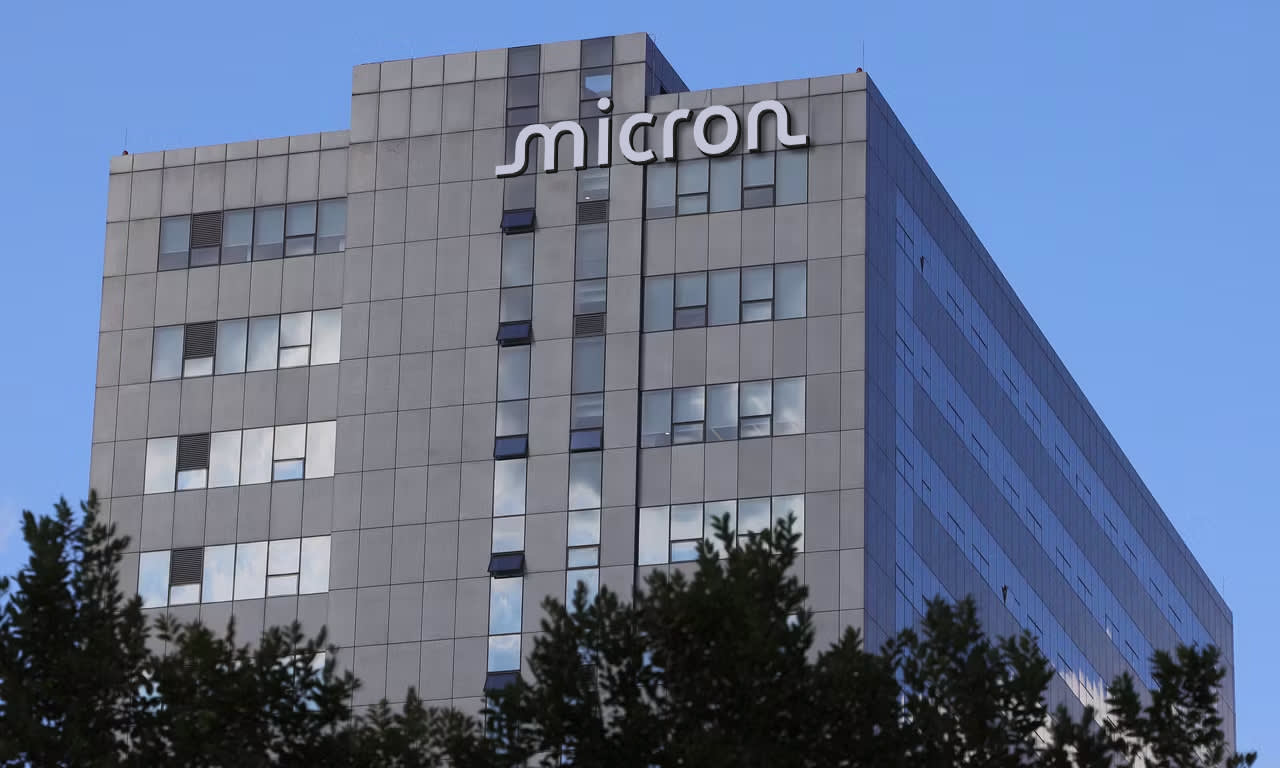
The concrete rupture in the semiconductor investment narrative is the decoupling of stock price multiples from fundamental health. Traditionally, low price-to-earnings ratios for memory stocks are viewed as a buying opportunity, but current market dynamics suggest the opposite. The specific case of Micron and Sandisk illustrates how the market is pricing in a future where memory prices will fall sharply, eroding margins. This is a stark reminder that in cyclical industries, the cheapest stocks are often the most dangerous, as they signal the end of a boom rather than the start of a recovery.
The underlying tension lies in the mismatch between supply and demand in the global memory chip market. Manufacturers have ramped up production in anticipation of sustained demand from AI and consumer electronics, but the actual uptake has not kept pace with this expansion. This oversupply is now beginning to weigh on prices, forcing analysts to reassess their models. The institutional friction here is between the long-term growth narrative of AI and the short-term reality of commodity-like pricing in memory chips. This friction is likely to persist as the industry struggles to find a new equilibrium that balances capacity with demand.
The downstream casualties will be investors who have entered the market based on superficial valuation metrics. As prices fall, the earnings of these companies will shrink, leading to further stock declines and potential write-downs. The tangible outcome is a correction in the semiconductor sector that will ripple through the broader technology market, affecting suppliers and customers alike. Over the next twelve months, the structural consequence will be a consolidation in the memory chip industry, with weaker players exiting the market and stronger ones focusing on high-value segments to protect their margins.
Comments 0