Metal Bolt Discovered in Vada on Bengaluru‑Belagavi Vande Bharat Express
A foreign‑metal fragment was found embedded in a vada served aboard the premium Vande Bharat train, prompting the Indian Railway Catering and Tourism Corporation to order an immediate safety audit. The incident raises questions about food‑handling standards on high‑speed rail services.
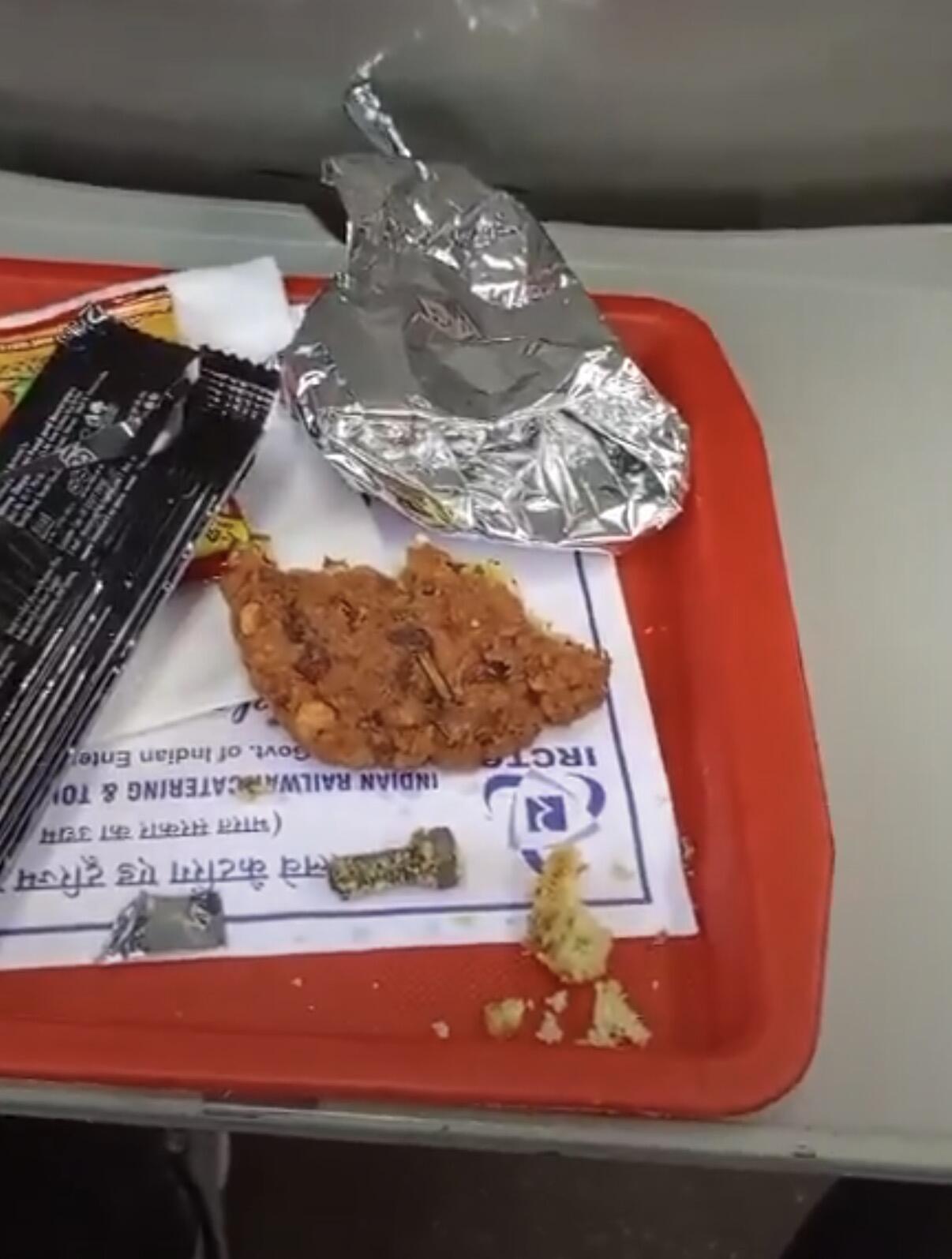
Passengers travelling between Bengaluru and Belagavi reported an unsettling texture while consuming a popular snack, prompting a crew member to retrieve the offending piece. Laboratory analysis identified the object as a small steel bolt, likely originating from kitchen equipment used in the train’s onboard kitchen. The discovery has ignited a swift response from IRCTC, which has mandated a comprehensive inspection of all food‑preparation areas across its premium fleet, and has temporarily suspended the sale of vada on the route pending verification of hygiene protocols.
The underlying tension lies in the rapid expansion of Vande Bharat services, which have been marketed as symbols of modernity and efficiency, juxtaposed against legacy catering practices that have struggled to keep pace. Regulatory oversight bodies have previously flagged inconsistencies in vendor compliance, but the high‑visibility nature of this mishap has amplified calls for stricter enforcement. The incident also underscores a broader institutional friction between railway authorities seeking to project a world‑class image and the fragmented network of third‑party caterers responsible for daily meal preparation.
Downstream effects include a dip in passenger confidence, with early booking data indicating a modest decline for the affected segment. IRCTC faces potential financial penalties and reputational damage, while the broader rail sector may see renewed scrutiny from consumer watchdogs. In response, the corporation has pledged to introduce RFID‑based tracking of kitchen tools and to conduct random spot‑checks, measures that could become standard across Indian Railways if the episode proves a catalyst for systemic reform.
Comments 0