Turkey Raises UN Security Council Alarm Over Potential BrahMos Sale to Cyprus
India's prospective export of BrahMos supersonic cruise missiles to Cyprus sparked a formal objection from Turkey at the United Nations Security Council. The diplomatic clash threatens to reshape procurement patterns and regional power calculations in the Eastern Mediterranean.
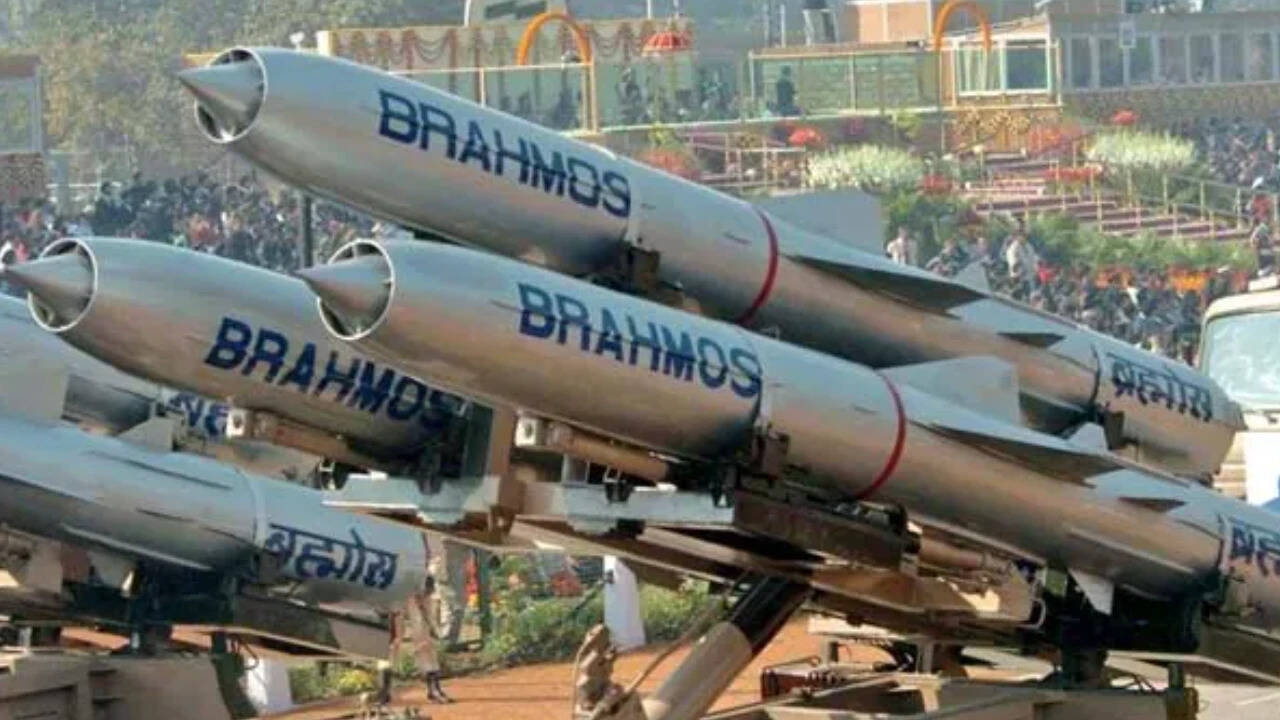
The proposal to transfer BrahMos missiles, a joint Indian-Russian venture, to the island nation of Cyprus emerged from a series of confidential negotiations between Indian defence firms and Cypriot officials. The deal, valued in the high‑hundreds of millions, promised to augment Cyprus' deterrent capabilities against maritime threats and to open a new market for India's missile industry. Yet the very visibility of the arrangement drew the scrutiny of Ankara, which framed the sale as a destabilising factor in a region already fraught with competing naval ambitions.
Turkey's delegation invoked concerns over the proliferation of advanced strike weapons to a NATO member whose strategic posture has often aligned with Greek interests. In the Security Council session, Turkish representatives warned that the transfer could upset the fragile balance of power, prompting calls for a review of existing arms‑export guidelines. The exchange highlighted a broader friction between New Delhi's ambition to expand its defence exports and Ankara's insistence on preserving its influence over Mediterranean security dynamics, a tension that has periodically resurfaced in diplomatic corridors.
The immediate fallout includes a slowdown in the finalisation of the contract as Indian officials seek to address Turkish objections through diplomatic channels. Regional actors, notably Greece and Israel, are monitoring the situation for signs of an emerging arms race, while Indian defence exporters brace for a possible curtailment of future sales to other allied states. In the longer term, the episode may compel India to recalibrate its export strategy, favouring markets less likely to trigger geopolitical pushback, and could spur the UN to revisit its oversight mechanisms for high‑performance missile transfers.
Comments 0