Metropolitan Gas Utility Upgrades Compression Infrastructure to Alleviate Urban Commuter Congestion
City gas distribution networks in Pune execute widespread technological upgrades to compression facilities. Motorists experience substantially reduced waiting times and enhanced fuel dispensation speeds across metropolitan filling stations.
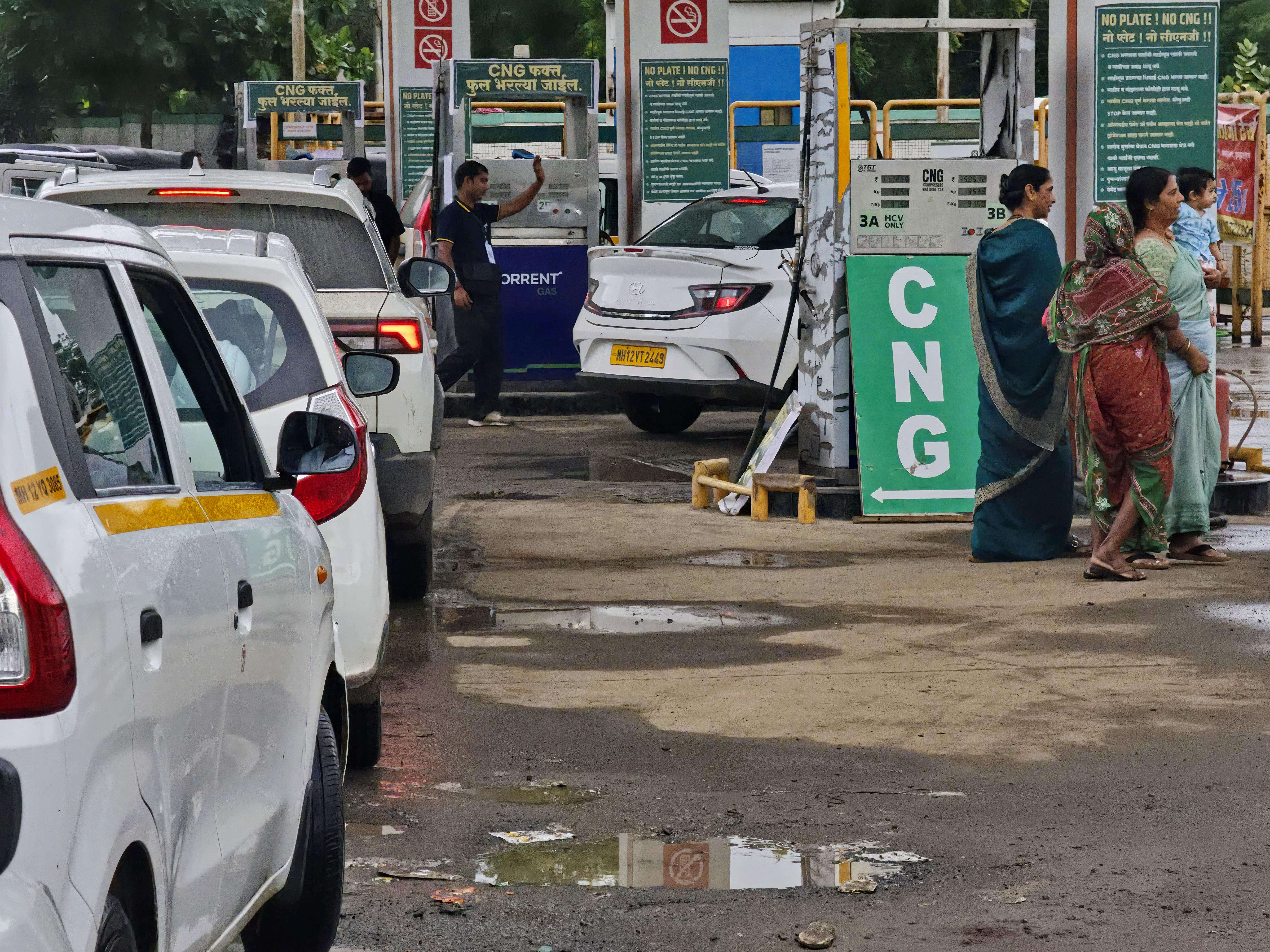
Urban motorists in Pune gained immediate relief from chronic fuel queue delays as the local gas distribution enterprise completed a comprehensive technological overhaul of its compression infrastructure. By deploying high-capacity booster compressors and upgrading automated dispensing valves at key retail outlets, the utility significantly increased fuel delivery throughput during peak morning and evening commuting hours. The intervention addresses a persistent urban bottleneck caused by surging vehicular conversion to cleaner energy alternatives. Institutional friction between municipal authorities and utility operators had previously stalled the expansion of retail gas infrastructure due to protracted land acquisition delays and complex safety clearance protocols. As vehicular demand for compressed natural gas outpaced existing station capacities, motorists faced mounting frustrations and extended downtime. The utility's recent capital expenditure program directly addresses these structural capacity constraints. Daily commuters and commercial transport operators emerge as the primary beneficiaries, enjoying shorter turnaround times and improved fuel availability across the metropolitan grid. The reduction in idling vehicles at filling stations additionally contributes to lower localized vehicular emissions. Sustained investment in digital payment integration at these upgraded stations further streamlines the consumer experience.
Comments 0