Metropolitan Real Estate Valuations Push Residential Ownership Beyond Reach in Bengaluru
Property markets across the southern technology capital have experienced aggressive upward price corrections, pricing middle-income families out of primary residential acquisitions. The resulting affordability crisis alters urban migration patterns and concentrates wealth among established property holders.
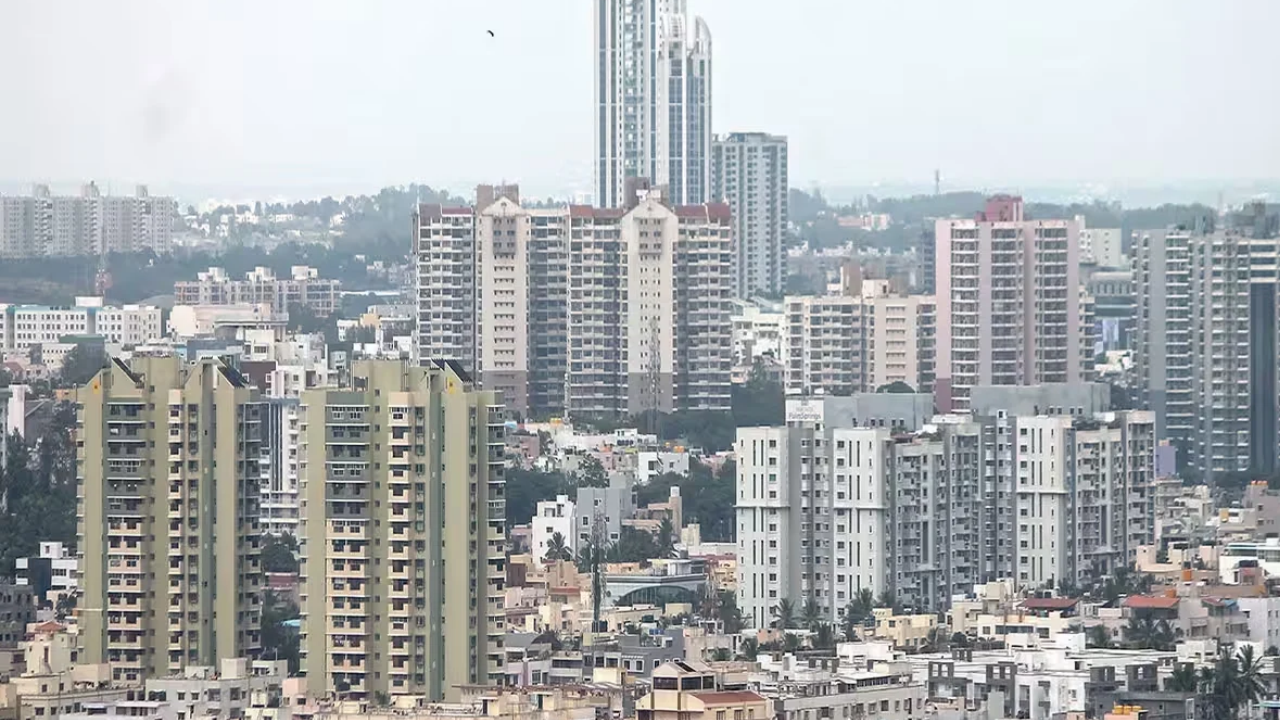
Real estate metrics across primary urban zones in Bengaluru reveal an uninterrupted escalation in residential square footage costs, driven by robust demand from technology professionals and institutional developers. As land parcels within core municipal boundaries diminish, housing projects increasingly migrate toward peripheral corridors. Consequently, the dream of homeownership for median-income households has receded into financial impossibility without generational wealth assistance. This pricing disconnect exposes profound tensions between rapid economic expansion and urban infrastructure capacity. Municipal planners struggle to keep pace with water, power, and transit demands, while developers prioritize high-margin luxury complexes over affordable multi-family housing. The resulting market distortion alienates working professionals who contribute daily to the municipal economy yet find themselves permanently relegated to the rental market. Families are forced to accept longer daily commutes from distant suburbs or abandon long-term settlement plans in the metropolitan area altogether. Rental yields have simultaneously climbed, absorbing disposable income that would otherwise stimulate local retail and service economies. The metropolitan geography is thus reshaping itself along rigid economic lines, creating insulated wealth enclaves surrounded by under-resourced periphery settlements.
Comments 0