Midterm Ballots Reshape the American Political Map
Voters across dozens of US states have decided on 146 ballot measures, fundamentally altering the legal on abortion, LGBTQ rights, and gun control. These direct democratic actions are creating a patchwork of state laws that will intensify federal judicial conflicts and redefine the scope of state sovereignty in the coming decade.
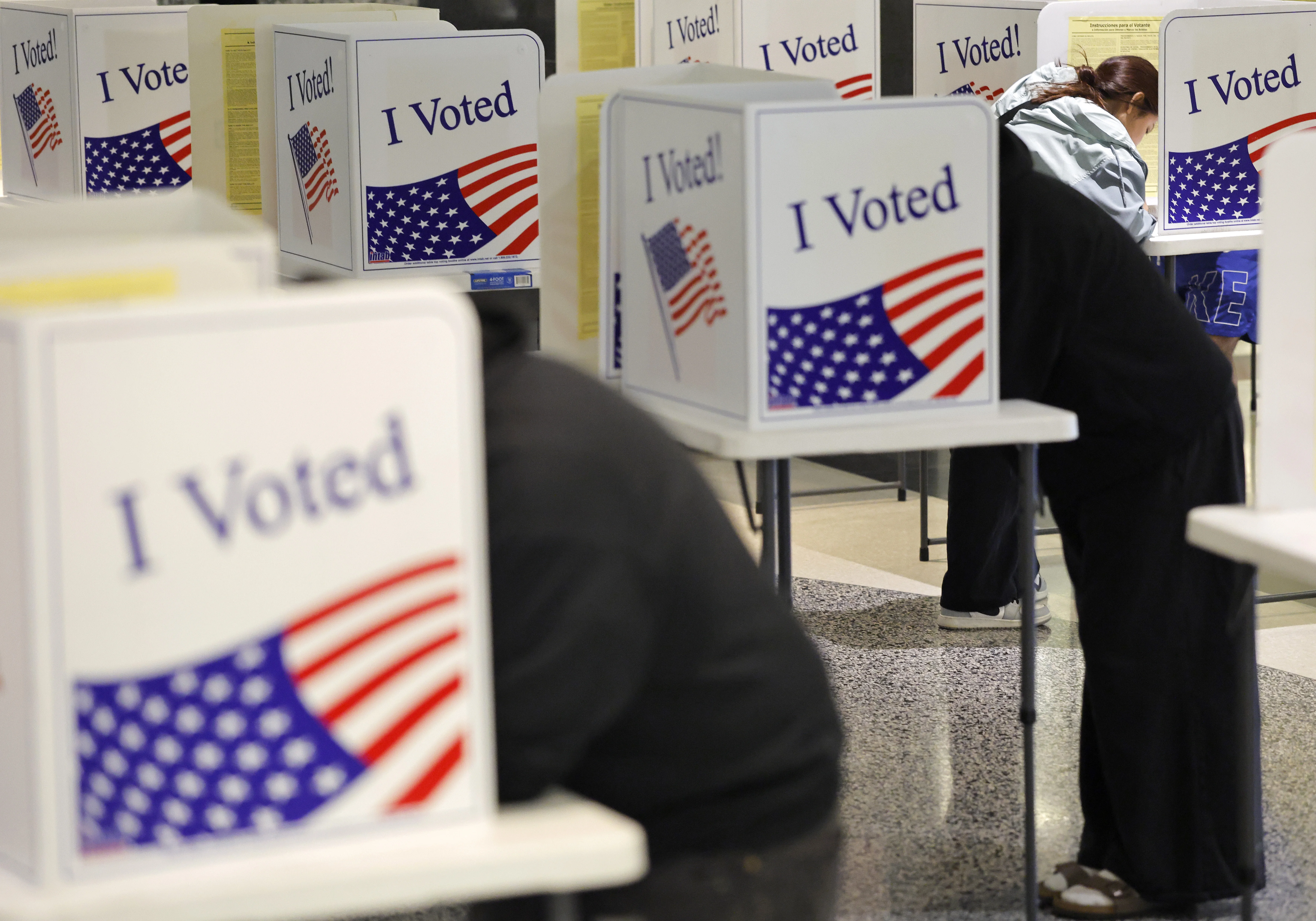
The conclusion of the midterm election cycle has delivered a decisive shift in the legal architecture of the United States, driven not by elected officials but by direct voter mandates. With 146 statewide ballot measures decided, the electorate has intervened in some of the most contentious social and political issues of the era. The outcomes on abortion access, LGBTQ protections, and wealth taxation represent a direct assertion of popular will that often diverges from the positions of the state legislatures. This wave of direct democracy has effectively bypassed the traditional legislative gridlock, embedding new rights and restrictions directly into state constitutions.
The institutional tension arising from these results is profound, as the new state laws will inevitably collide with federal statutes and judicial precedents. The patchwork of regulations now emerging across the country creates a complex legal environment where citizens' rights can change dramatically depending on their state of residence. This fragmentation places an enormous burden on the judiciary, which will be tasked with resolving the inevitable conflicts between state and federal authority. The political friction is further exacerbated by the partisan nature of the campaigns that supported these measures, ensuring that every victory or defeat is framed as a moral imperative rather than a policy preference.
The downstream impact is a significant increase in litigation and a potential erosion of the uniformity of national standards. Businesses and individuals operating across state lines will face heightened compliance costs and legal uncertainty. The 12-month outlook suggests a surge in high-profile court cases that will test the limits of state sovereignty and the reach of federal power. The tangible outcome is a more polarized and legally fragmented nation, where the basic rights of citizens are increasingly determined by local referenda rather than national consensus.
Comments 0