Trump Concedes Iran Conflict Weighed on GOP Midterm Defeat
Donald Trump has acknowledged that the military engagement with Iran significantly contributed to the Republican Party's loss in the recent US midterm elections. This admission marks a rare instance of direct accountability for foreign policy decisions in the context of domestic electoral consequences.
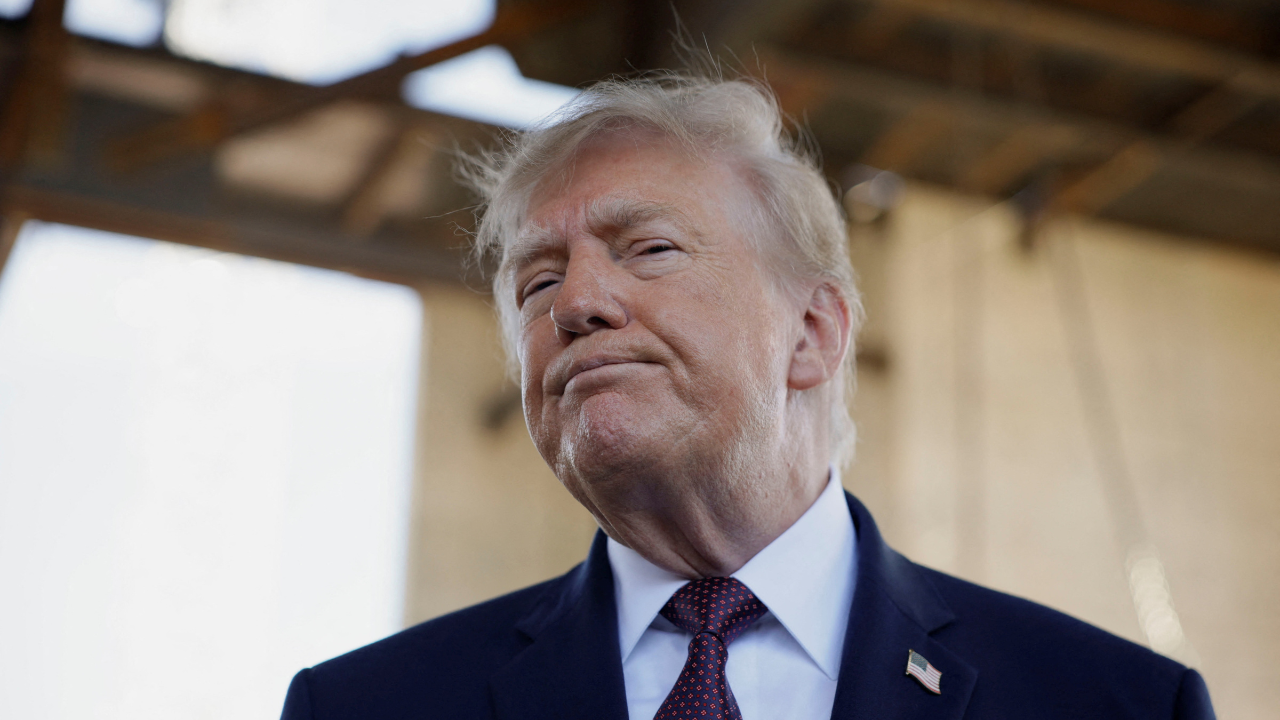
The President’s public statement, describing the claim that the Iran war cost the GOP the midterms as 'largely true,' represents a stark departure from the usual defensive posture adopted by the administration. By validating the narrative that military escalation alienated key voting blocs, Trump effectively concedes that the geopolitical gamble had a measurable price tag in the American ballot box. This admission is not merely a retrospective comment but a strategic recalibration, signaling that the administration recognizes the fragility of its political mandate when foreign policy intersects with domestic economic anxiety.
The underlying tension between the executive branch and the legislative majority is now formalized by this electoral rebuke. For months, strategists within the party had warned that the diversion of resources and political capital toward the Iran conflict would erode support among suburban and working-class voters who prioritize stability over confrontation. The midterm results have vindicated those internal warnings, creating an institutional friction that will likely constrain the President’s ability to pursue aggressive foreign policy initiatives in the coming two years. The friction is no longer theoretical; it is codified in the composition of Congress.
The downstream consequences extend far beyond the immediate political fallout in Washington. Global allies and adversaries alike are now recalibrating their expectations of American commitment, viewing the US as a more volatile partner whose foreign policy is subject to the whims of domestic electoral cycles. For India and other nations in the Indo-Pacific, this signals a need for greater strategic autonomy, as the reliability of the US security umbrella may be subject to periodic political recalibrations. The 12-month outlook suggests a more transactional and cautious approach from the White House, forced to navigate a Congress that is now empowered to check executive overreach in foreign affairs.
Comments 0