Monsoonal Deficit Deepens Agrarian Distress Across Maharashtra
Agricultural districts in western India face severe operational strains following an alarming seasonal precipitation shortfall. The Chhatrapati Sambhajinagar division absorbs the heaviest impact as reservoir levels plummet.
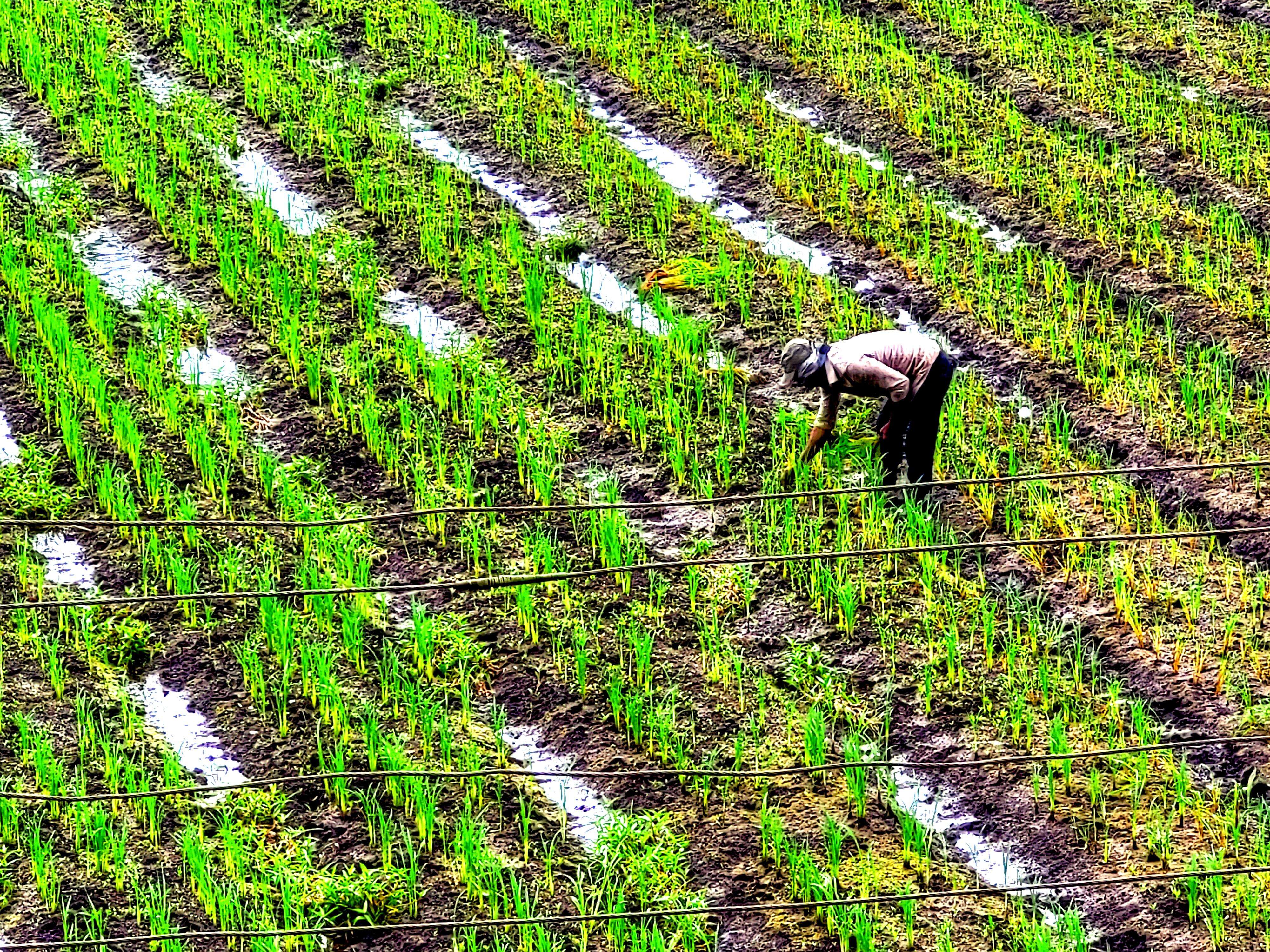
A persistent meteorological anomaly linked to broader climatic shifts has left Maharashtra staring at a severe state-wide rain deficit of nearly twenty percent. Rural communities in the interior plains report failing kharif crops and depleted groundwater tables that threaten domestic water security. Local administrations have begun drafting emergency contingency plans to manage drinking water reserves as agrarian distress mounts across the affected zones. Farmer cooperatives and regional policymakers are urgently petitioning state ministries for financial relief packages and debt restructuring options. The structural vulnerability of rain-fed agriculture in the Marathwada region remains unaddressed by decades of piecemeal irrigation projects. Consequently, successive dry spells transform into humanitarian crises that trigger distress migration toward urban industrial centers. Without immediate procurement interventions and subsidized fodder distribution, rural indebtedness will surge to unsustainable levels by the next harvest cycle. Commercial lenders exposed to agricultural credit portfolios anticipate rising default rates, forcing banks to tighten liquidity for rural borrowers just as consumption demand contracts.
Comments 0