Mumbai airport ceiling collapse highlights aging infrastructure risks
A section of the false ceiling outside Terminal 2 at Chhatrapati Shivaji Maharaj International Airport collapsed, injuring a visitor and exposing the fragility of India's critical transport infrastructure. The incident underscores the urgent need for rigorous maintenance protocols in high-traffic public spaces, where structural failures can have immediate and severe consequences.
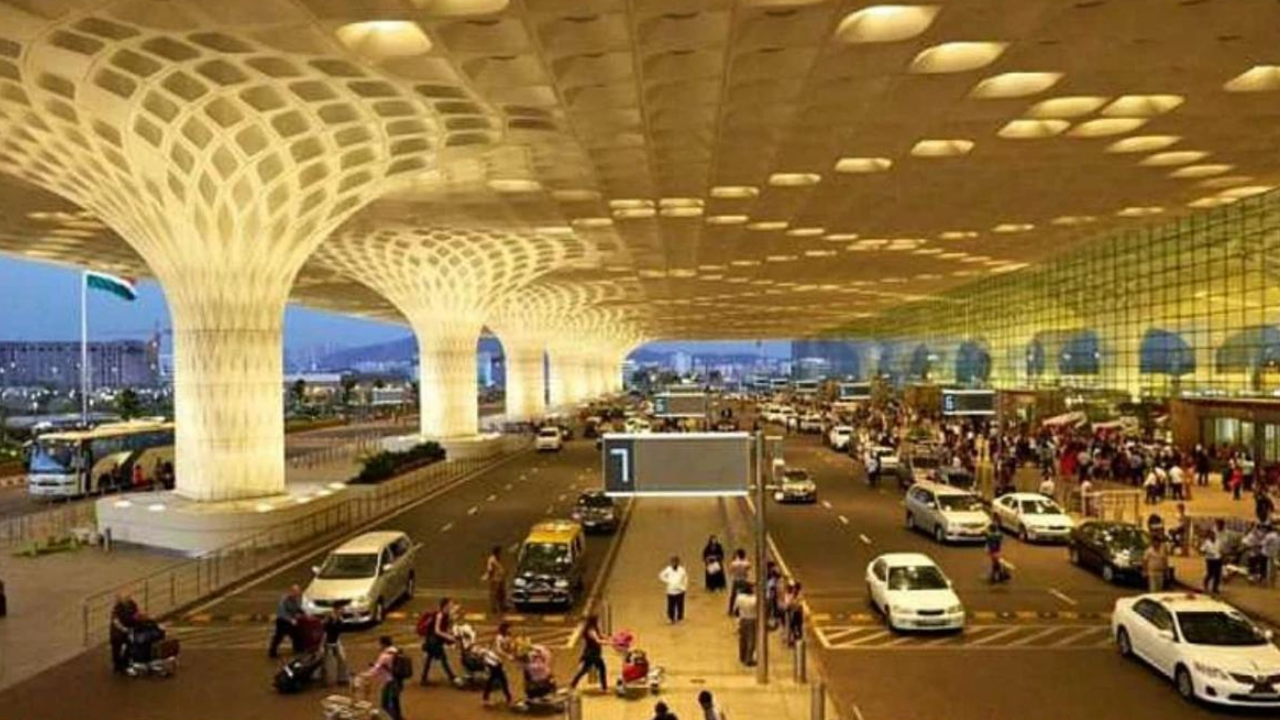
The concrete rupture at Mumbai's primary international gateway was a sudden and violent reminder of the hidden dangers lurking within aging public infrastructure. A portion of the false ceiling outside Terminal 2 gave way without warning, striking a visitor and causing injury. The swift administration of first aid by airport officials mitigated the immediate harm, but the incident has cast a long shadow over the safety records of one of the world's busiest airports. The collapse was not a result of extreme weather or external force, but rather a failure of material integrity, suggesting that the structural elements had degraded beyond their safe operational limits.
The underlying tension in India's infrastructure sector is the race between rapid expansion and adequate maintenance. As airports and other public facilities are upgraded to handle increasing passenger volumes, the focus often shifts to new construction and aesthetic enhancements, while the upkeep of existing structures is neglected. The institutional friction arises from the complex web of responsibilities shared between the airport authority, contractors, and regulatory bodies, each of whom may claim oversight but none of whom is solely accountable for the day-to-day structural health of the facility. This diffusion of responsibility creates blind spots where minor defects can escalate into major failures.
The downstream casualties of such incidents are not just the immediate victims but the public's confidence in the safety of India's transport network. For travelers, the knowledge that a ceiling can collapse in a major international airport introduces a layer of anxiety that undermines the experience of modern travel. For the airport authority, the incident will trigger a comprehensive audit of all structural elements, leading to potential operational disruptions and significant financial outlays for repairs. The tangible outcome is a heightened scrutiny of infrastructure maintenance standards across the country, as regulators and the public demand greater transparency and accountability in the management of public spaces.
Comments 0