Mumbai Airport Terminal One Closure Redirects Ten Million Passengers Toward Navi Mumbai
The temporary shutdown of Mumbai airport terminal one forces a massive redirection of regional air traffic toward Navi Mumbai. This infrastructural shift promises severe congestion and elevated operational costs for carriers.
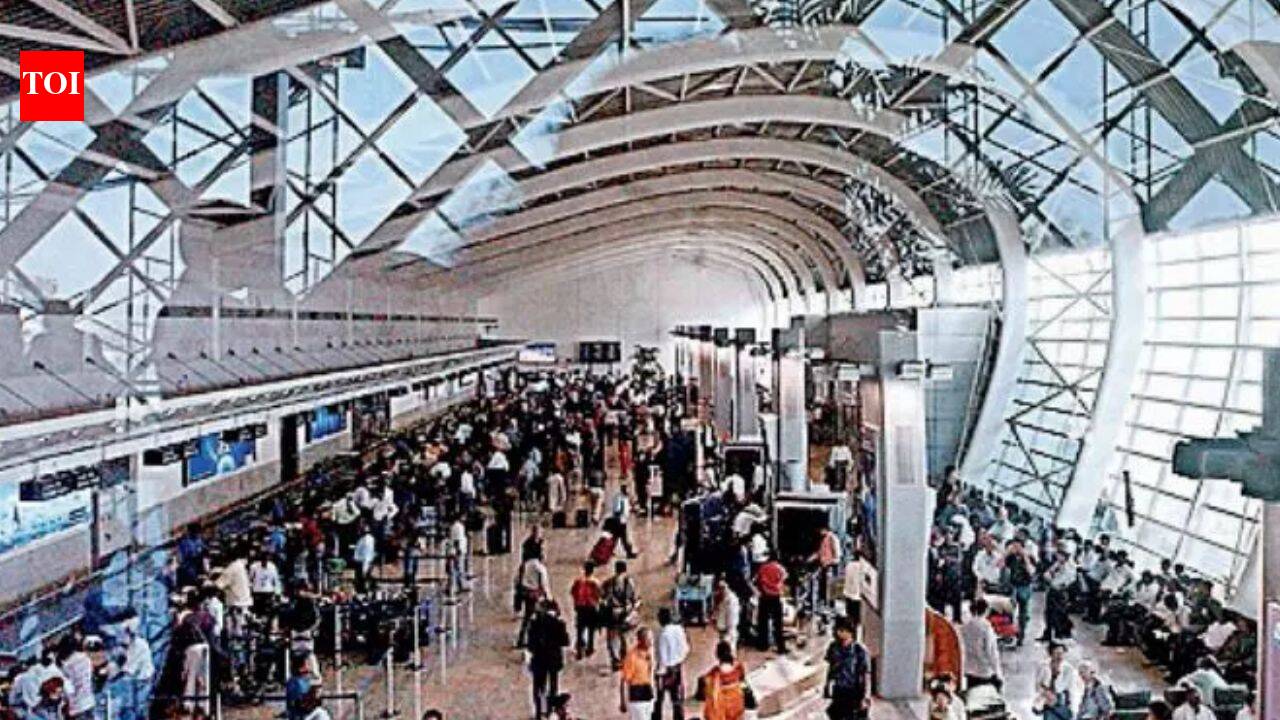
The aviation ecosystem surrounding western India faces a monumental logistical realignment as Mumbai airport closes its primary domestic hub for extensive redevelopment. Approximately ten million annual passengers must now reroute their journeys through alternative facilities, placing unprecedented strain on regional transit corridors. Municipal authorities and aviation executives are scrambling to deploy supplementary bus links and expanded suburban rail services to manage the impending commuter deluge. This transition exposes deep structural vulnerabilities in urban mobility infrastructure, highlighting the friction between rapid commercial aviation growth and constrained ground transit capacity. Suburban commuters and airline operators alike must absorb the immediate economic fallout of extended travel times and increased logistical overheads. Urban planners warn that the metropolitan road network surrounding transit arteries lacks the absorption capacity required for this sudden influx of displaced travelers. The immediate casualties include budget airlines facing compressed turnaround times and weary passengers enduring inflated cab fares and chronic terminal delays. Conversely, real estate developers and commercial enterprises positioned near the upcoming Navi Mumbai aviation hub stand to reap immediate commercial dividends from the redirected footfall. Over the medium term, this infrastructural bottleneck will permanently redefine travel economics for western India's business community.
Comments 0