Mumbai Terminal One Closure Shifts Ten Million Passengers Toward Navi Mumbai Infrastructure
The impending shutdown of Mumbai airport Terminal One forces a massive logistical migration of ten million annual flyers toward the newly developing Navi Mumbai hub. Urban planners warn of severe commuter congestion and escalating transit expenditures across the metropolitan region.
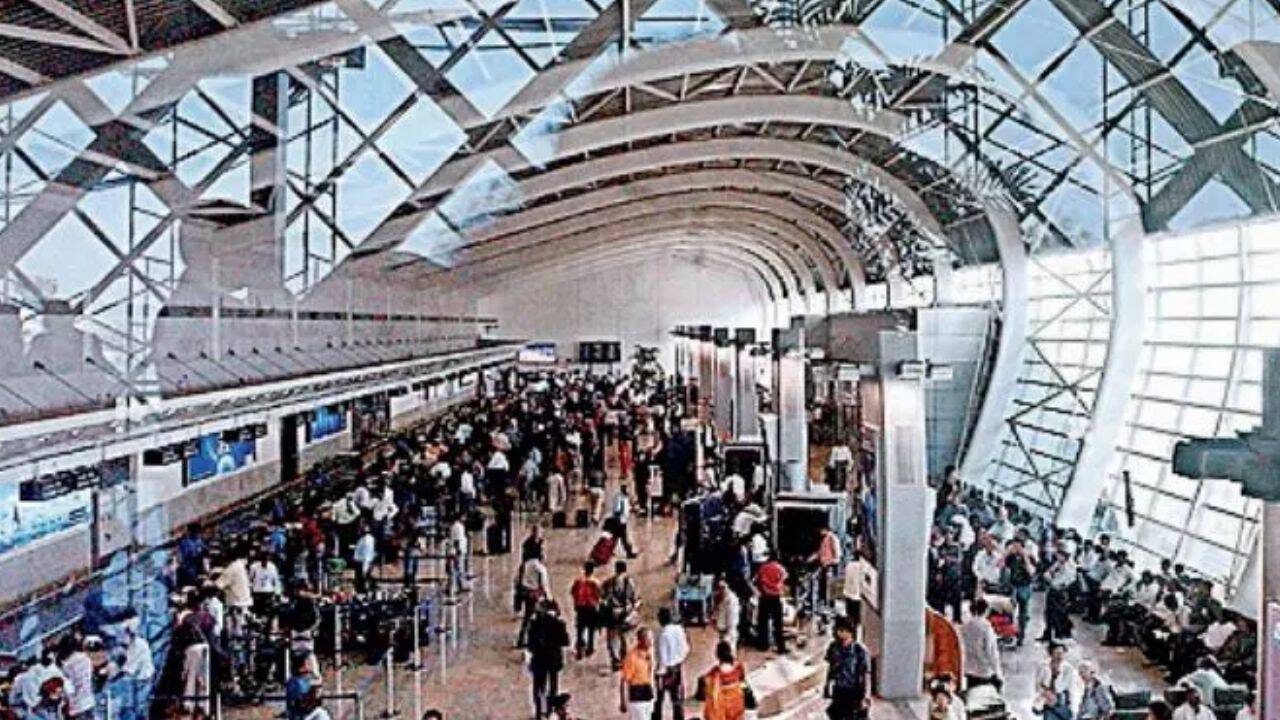
The shifting architecture of western India aviation reached a tangible milestone as authorities prepared for the systematic shutdown of Mumbai's primary domestic gateway, Terminal One. Millions of travelers accustomed to the central city location must now recalibrate their itineraries toward the peripheral expanse of Navi Mumbai. This infrastructural pivot initiates a complex choreography of flight reassignments, airline relocations, and ground transport overhauls. Underpinning this transition is the immense pressure on regional connectivity projects, which must absorb an unprecedented influx of daily commuters without collapsing under the strain. Municipal corporations and private transit operators find themselves locked in frantic negotiations to expand suburban rail links and highway capacities before the passenger volume crests. The friction between municipal expediency and commuter convenience highlights the chronic infrastructural deficits plaguing India's financial capital. The ultimate casualties of this transition are middle-class travelers who will bear the brunt of inflated cab fares and extended travel durations to reach the distant suburban terminal. Conversely, real estate developers and commercial entities surrounding the Navi Mumbai aviation zone stand to capture immense economic windfalls as corporate capital follows the newly redirected human traffic.
Comments 0