Mumbai Commuter Injured by Drone at Churchgate Station
A drone incident at Mumbai's bustling Churchgate station has resulted in the injury of a commuter, prompting railway police to summon the event company responsible. The event highlights the growing risks of unregulated aerial activity in densely populated urban spaces.
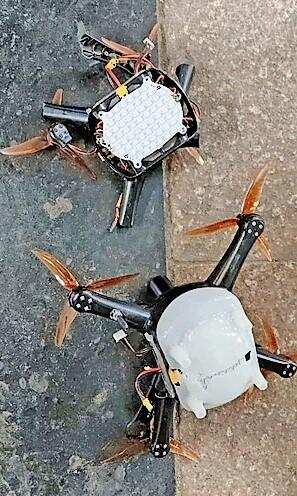
The concrete rupture in the safety of Mumbai's public transport system is the physical injury caused by a drone at one of the city's busiest railway stations. The incident, which occurred amidst the daily crush of commuters, underscores the vulnerability of urban infrastructure to unregulated aerial technology. The railway police have moved to summon the staff of the event company that was operating the drone, signaling a shift from passive tolerance to active enforcement. This event marks a turning point in how authorities view the integration of drones into the urban fabric, where the convenience of aerial photography or event coverage now collides with public safety.
The underlying tension lies in the rapid adoption of drone technology for commercial and recreational purposes, outpacing the development of clear regulatory frameworks and enforcement mechanisms. In a city as dense as Mumbai, the airspace above stations and streets is a shared resource, and the lack of clear demarcation between private and public space creates a high-risk environment. Institutional friction is evident in the gap between the enthusiasm of event organizers for using drones and the caution required by transport authorities to ensure passenger safety. The incident highlights the need for a coordinated approach between aviation regulators, local police, and transport bodies to manage this new dimension of urban risk.
The downstream casualties include the injured commuter, who faces physical and psychological trauma, and the broader public, who may now feel less secure in crowded public spaces. The incident is likely to lead to stricter regulations on drone operations in urban areas, potentially including mandatory licensing, insurance, and geofencing restrictions. For the event industry, this serves as a stark warning that the cost of negligence is not just financial but legal and reputational. The long-term outcome may be a more regulated and less spontaneous use of drones in public spaces, prioritizing safety over spectacle.
Comments 0