Mumbai's Pro-CJP Protests End in Mass Detention and Supreme Court Intervention
Police in Mumbai detained 600 protesters supporting the CJP before releasing them, while a CJP member has moved the Supreme Court seeking the release of detained colleagues. The incident highlights the escalating legal and physical confrontation surrounding the CJP controversy.
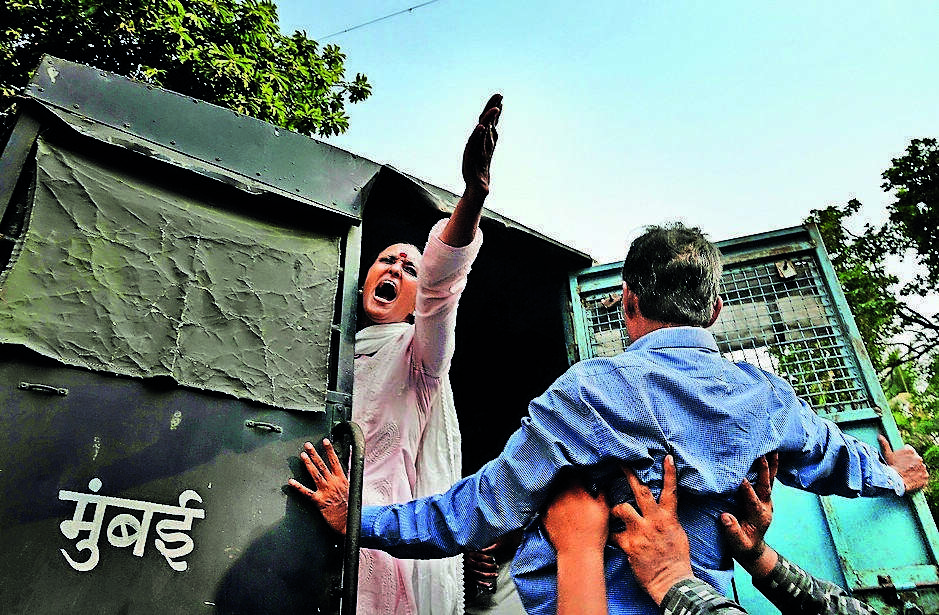
The streets of Mumbai witnessed a significant display of state authority as police forces quelled a pro-CJP protest, resulting in the detention of 600 individuals. Although the protesters were eventually released, the scale of the crackdown signals a decisive shift in the state's approach to managing dissent. This action was not merely a local policing matter but part of a broader national crisis that has drawn the attention of the highest judicial authority in the country.
The underlying tension is rooted in a deep institutional fracture between the judiciary's internal bodies and the state's executive arm. The CJP's move to the Supreme Court, seeking the release of Abhijeet Dipke, Saurav Das, and others, indicates that the conflict has transcended local administration and entered the realm of constitutional law. This legal maneuvering suggests that the CJP views the detentions as an overreach of state power, challenging the legitimacy of the police actions and the government's handling of the crisis.
The tangible outcome of this confrontation is a polarized public sphere and a strained relationship between the judiciary and the state. The mass detentions, even if temporary, serve as a potent symbol of state coercion, potentially radicalizing the support base for the CJP. For the government, the need to manage both the physical unrest and the legal challenges presents a complex dilemma. The downstream effect is a heightened sense of political instability, where every legal ruling and police action is scrutinized for its partisan implications, further eroding public confidence in institutional neutrality.
Comments 0