Mumbai Heatwave Triggers Third Consecutive Yellow Alert
Temperatures in Mumbai surged to 37.8°C, far above the seasonal norm, prompting authorities to issue a yellow alert for a third day in a row. The extreme heat is expected to strain public health resources and energy demand.
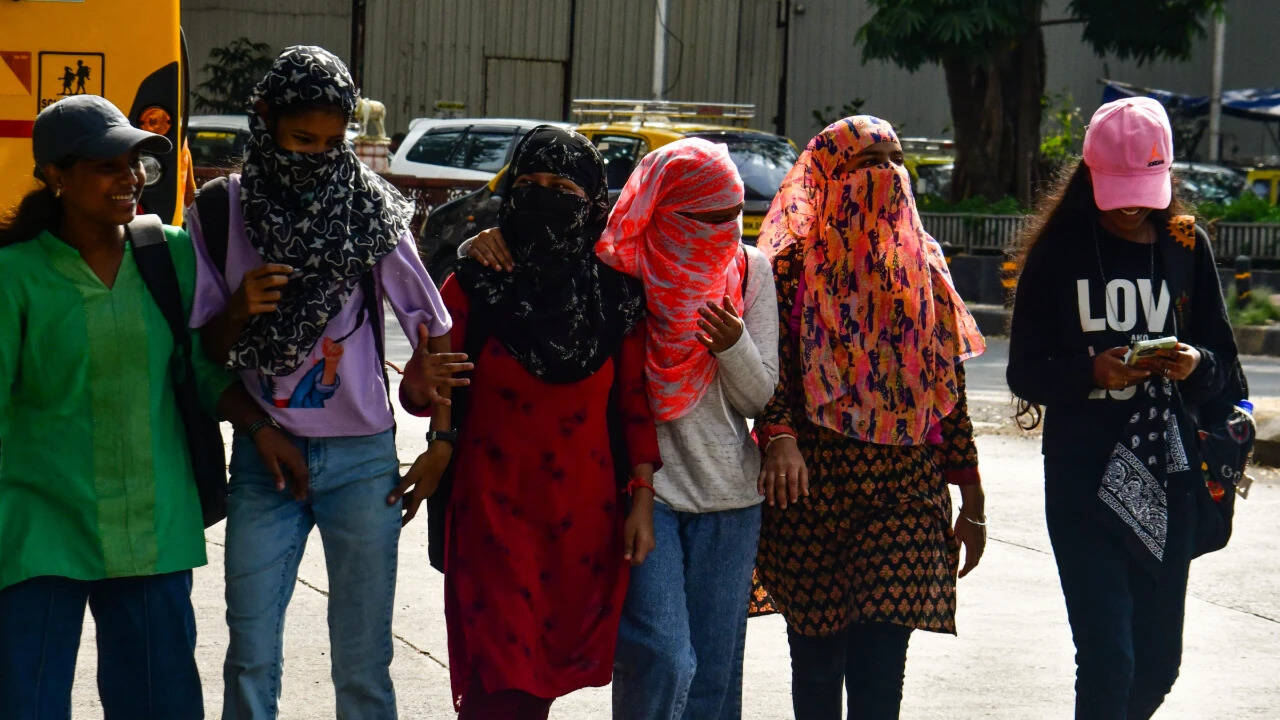
Meteorological officials recorded a peak temperature of 37.8°C in Mumbai, a reading that exceeds the city's average by over four degrees Celsius for this period. The sweltering conditions prompted the issuance of a yellow heat alert for the third consecutive day, a measure that mobilises municipal services to mitigate health risks and manage heightened electricity consumption. Residents reported widespread discomfort, with many seeking refuge in cooling centres and public spaces equipped with fans and water dispensers, while the city's power grid braced for an anticipated surge in demand.
The underlying tension arises from a confluence of urban heat island effects, delayed monsoon onset, and infrastructural constraints that limit effective cooling. Mumbai's dense built environment, characterised by concrete expanses and limited green cover, amplifies temperature spikes, while the city's reliance on air‑conditioned spaces places additional load on an already stretched electricity network. Public health officials have warned of increased incidences of heat‑related ailments, particularly among vulnerable populations such as the elderly and outdoor labourers, urging citizens to stay hydrated and avoid prolonged exposure.
Downstream ramifications include a potential rise in power outages if the grid cannot accommodate the surge, as well as heightened strain on emergency medical services. The heatwave also threatens to disrupt economic activities, especially in sectors reliant on outdoor work, such as construction and street vending. Urban planners may be compelled to accelerate initiatives aimed at expanding green spaces and enhancing heat‑resilient infrastructure, lest the city face recurrent climatic stressors that undermine its livability and economic vitality.
Comments 0