Mumbai to Bengaluru: The Sleeper Express Redefines Indian Mobility
The upcoming launch of the Mumbai-Bengaluru Vande Bharat Sleeper train promises to shave six hours off one of India's most congested travel corridors, fundamentally altering the economic connectivity between the two financial hubs. This infrastructure leap signals a new era of high-speed overnight travel that could reshape labor mobility and business logistics.
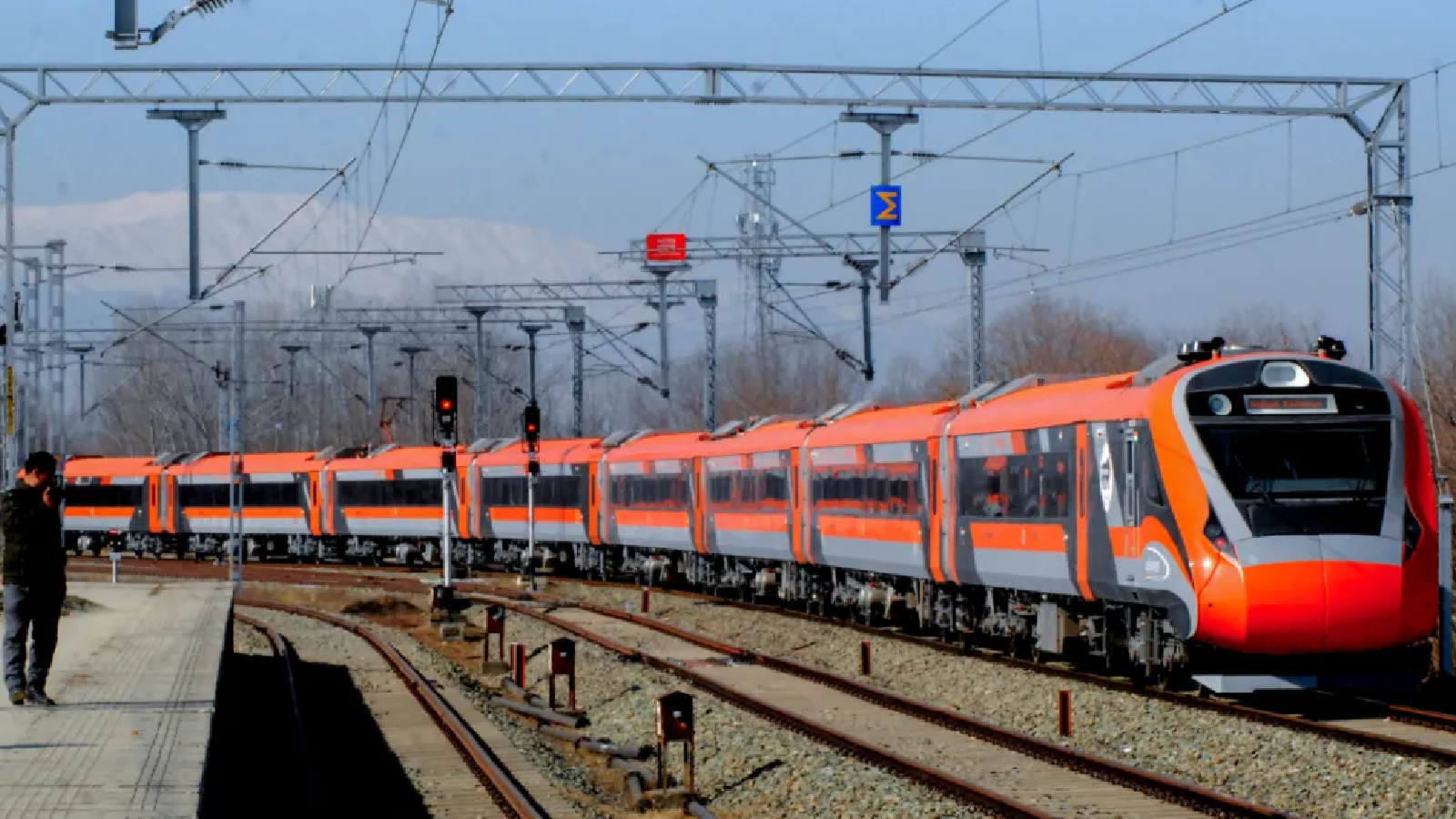
The introduction of the Vande Bharat Sleeper service between Mumbai and Bengaluru represents a concrete rupture in the status quo of Indian long-distance rail travel. By reducing the journey time by six hours, the train transforms a grueling overnight ordeal into a manageable transit window, allowing passengers to arrive in the destination city refreshed and ready for work. This efficiency gain is not merely a convenience; it is a structural shift that enables a more fluid movement of talent and capital between India's two most dynamic economic engines, effectively collapsing the geographical distance that has historically hindered daily cross-state business interactions.
The underlying tension driving this development stems from the persistent inadequacy of existing rail infrastructure to handle the volume of demand on this corridor. For years, the Mumbai-Bengaluru route has been plagued by delays, overcrowding, and limited frequency, forcing many professionals to opt for air travel or endure substandard conditions on conventional trains. The deployment of the Vande Bharat Sleeper addresses this institutional friction by introducing a premium, reliable service that competes directly with the aviation sector. It reflects a strategic decision by Indian Railways to capture market share from airlines by offering a cost-effective, high-speed alternative that appeals to the middle and upper-middle classes.
The tangible outcomes of this service extend beyond individual travelers to the broader economic fabric of both cities. Businesses can now operate with a more agile workforce, as employees can commute between the two hubs for short-term assignments or meetings without the fatigue of a traditional journey. This enhanced connectivity is likely to stimulate real estate development along the route and boost local economies in intermediate stations. However, the success of this initiative will depend on its ability to maintain punctuality and service quality, as any deviation from the promised efficiency could quickly erode the trust of the target demographic and revert them to air travel.
Comments 0