Ecological Toll of Urban Transit: Bengaluru Infrastructure Projects Threaten Canopy
The proposed Hebbal tunnel project in Bengaluru threatens to obliterate over one thousand mature trees to construct a high-speed subterranean roadway. Municipal authorities face fierce civic pushback as environmental costs collide with aggressive urban mobility demands.
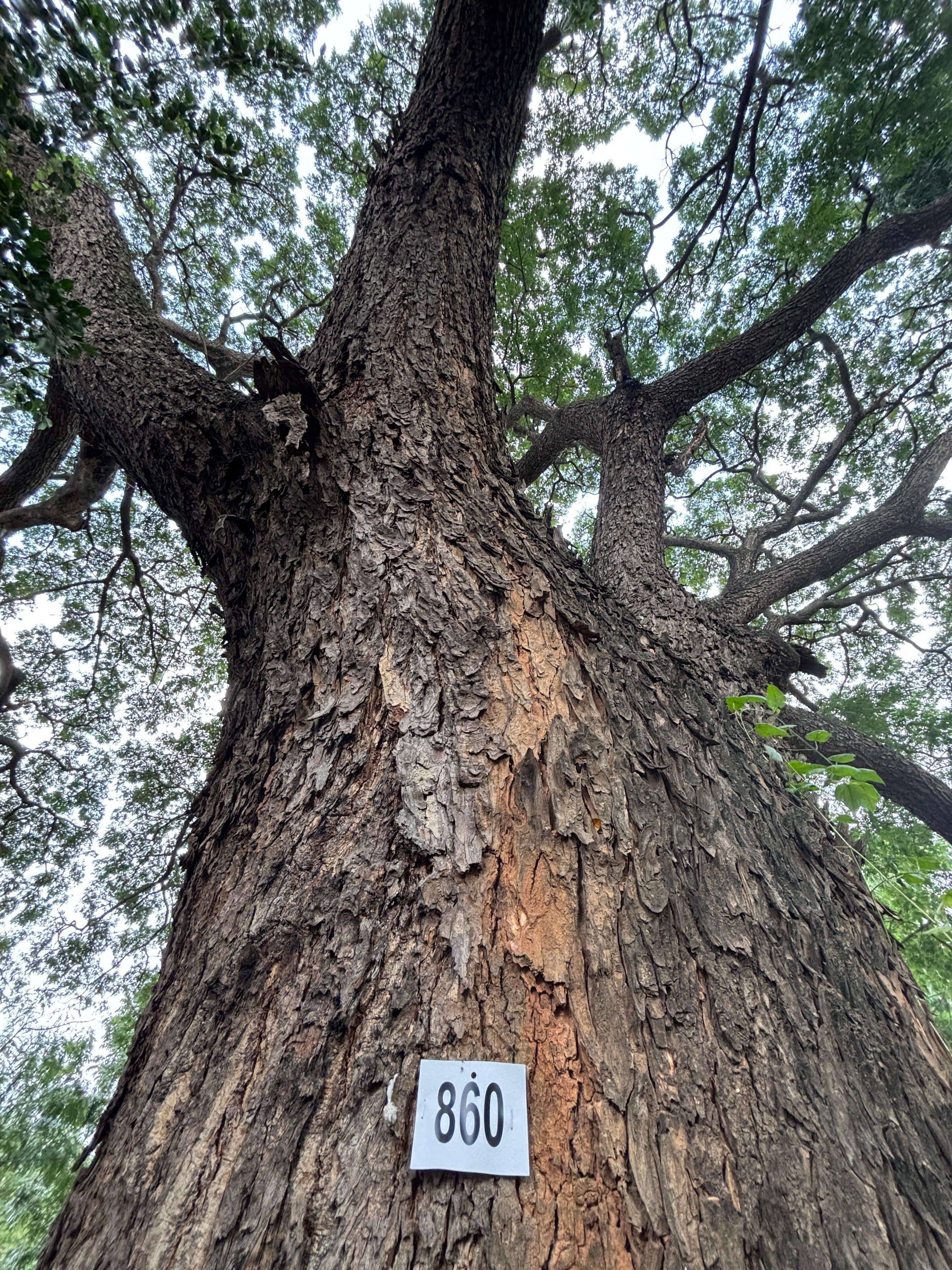
Urban expansion in southern India's technological capital has triggered acute friction between municipal transit objectives and ecological preservation. The planned construction of a 2.3-kilometer subterranean roadway in the Hebbal district requires the systematic removal of over one thousand established trees, sparking organized resistance from local resident associations and environmental coalitions. Planners defend the endeavor as an essential remedy for chronic metropolitan traffic congestion, arguing that reduced surface idling will eventually lower vehicular emissions. At the heart of the controversy lies a fundamental divergence in urban governance priorities between utilitarian infrastructure development and ecological sustainability. Civic administrators operate under intense political pressure to demonstrate economic acceleration through rapid transit corridors, frequently discounting the long-term microclimatic consequences of canopy loss. Neighborhood groups counter that urban heat island effects and compromised groundwater recharge rates outweigh the marginal commuting time savings promised by the engineering blueprint. The tangible consequence of this standoff is a protracted legal challenge in state environmental tribunals, delaying construction schedules and inflating project expenditures. As municipal authorities attempt to reconcile public dissent with developmental imperatives, the outcome will dictate whether future urban corridors prioritize subterranean automotive velocity or the preservation of the urban biosphere.
Comments 0