Mumbai’s Air Quality Breaches Standards as PM10 Levels Surge
The Brihanmumbai Municipal Corporation reported that thirteen of fourteen monitoring stations recorded PM10 concentrations above the permissible limit. The spike in particulate matter raises immediate health concerns for the city’s dense population.
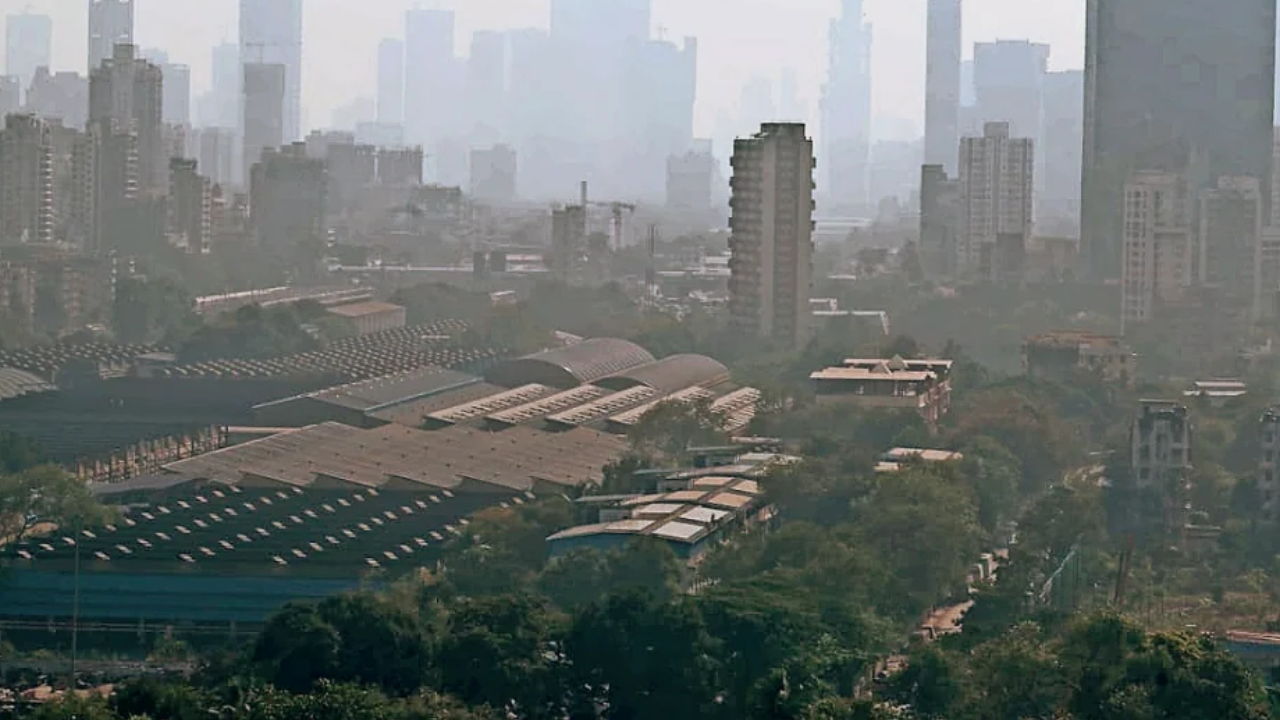
Data released by the BMC showed that daily averages of PM10 dust particles exceeded the national ambient air quality standard of 60 micrograms per cubic metre at most sites across the metropolis. The rise coincided with a period of low rainfall, increased vehicular traffic, and construction activities that generated fine dust. Researchers attribute the deterioration to a combination of seasonal wind patterns that trap pollutants and lax enforcement of dust‑control regulations at building sites.
The episode underscores a persistent clash between rapid urban development and environmental governance. Municipal authorities have faced criticism for permitting construction without adequate mitigation measures, while industry groups argue that stricter controls would impede economic growth. Public health officials warn that prolonged exposure to elevated PM10 levels can aggravate respiratory illnesses, cardiovascular disease, and premature mortality, especially among vulnerable groups such as children and the elderly.
In response, the BMC announced plans to augment green cover, enforce stricter penalties for dust violations, and expand real‑time monitoring networks. Hospitals reported a modest uptick in admissions for asthma and bronchitis during the peak days, suggesting a direct health impact. If corrective actions are not swiftly implemented, the city risks entrenching a cycle of pollution that could diminish its attractiveness to investors and tourists, while burdening the healthcare system with chronic disease costs.
Comments 0