Mumbai's Aviation Pivot: 38 International Flights Shift to Navi Mumbai
IndiGo and Air India Express are relocating 38 international flights from Mumbai's T2 terminal to Navi Mumbai airport ahead of March, a move driven by the impending redevelopment of T1. This logistical shift aims to alleviate congestion but introduces new complexities for passengers and airline operations in one of the world's busiest aviation hubs.
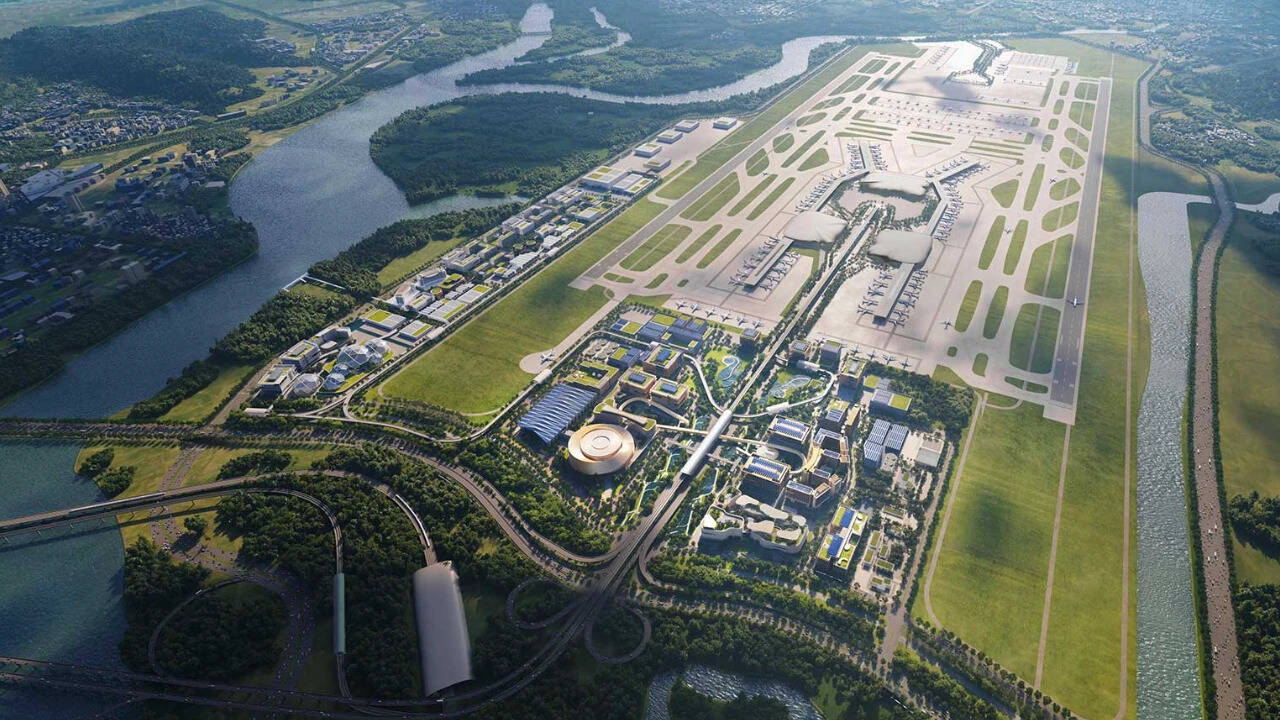
The aviation sector in Mumbai is undergoing a significant structural change as two major carriers announce the relocation of 38 international flights to the Navi Mumbai airport. This decision, driven by the need to accommodate the redevelopment of the T1 terminal at Chhatrapati Shivaji Maharaj International Airport, represents a major logistical undertaking. The move is intended to ensure a smooth transition during the construction phase, but it also highlights the growing pressure on Mumbai's existing infrastructure. The relocation will affect a substantial number of passengers, many of whom will need to adjust their travel plans and navigate a new airport environment.
The underlying tension in this decision is rooted in the balance between infrastructure development and operational continuity. The redevelopment of T1 is a long-overdue project that promises to modernize the airport and improve passenger experience, but the interim measures required to facilitate this change are not without their own set of challenges. Airlines must manage the complexities of shifting operations, including crew scheduling, baggage handling, and customer communication. The institutional friction is evident in the coordination required between the airport authority, the airlines, and the regulatory bodies to ensure that the transition is as seamless as possible.
The downstream consequences of this shift will be felt by passengers, who may face increased travel times and potential disruptions during the transition period. For the airlines, the move presents an opportunity to optimize their operations and potentially reduce costs associated with the congested T2 terminal. However, it also requires significant investment in marketing and customer service to manage the change. The long-term outcome will depend on the success of the Navi Mumbai airport in attracting international traffic and establishing itself as a viable alternative to the main hub. This shift is a critical test of India's ability to manage large-scale infrastructure projects without compromising service quality.
Comments 0