Mumbai’s BMC acts on less than half of illegal‑structure complaints in a decade
A Right‑to‑Information reply disclosed that the civic body recorded nearly 30,000 demolition requests but executed only 13,211 actions, highlighting enforcement gaps. The revelation has intensified scrutiny of municipal accountability.
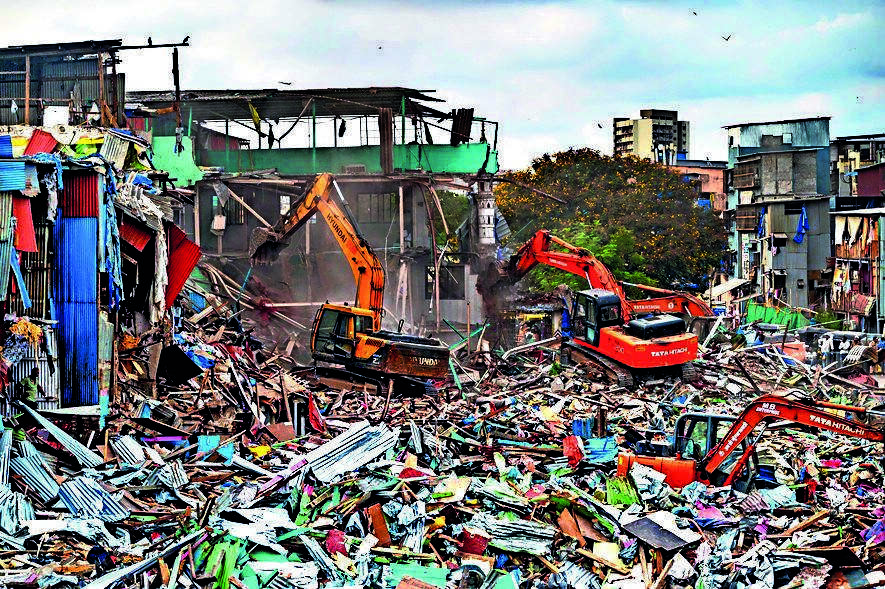
The Brihanmumbai Municipal Corporation (BMC) disclosed that between 2014 and 2024 it received close to thirty thousand complaints seeking demolition of illegal constructions, yet it completed just over thirteen thousand demolition orders. The data, obtained through an RTI application filed by a local activist, underscores a systemic shortfall in translating regulatory mandates into on‑ground action. The shortfall has been attributed to bureaucratic inertia, resource constraints, and legal challenges posed by property owners.
This discrepancy has reignited a broader debate about urban governance in India’s financial capital, where rapid real‑estate development often outpaces regulatory oversight. Urban planners argue that unchecked illegal structures strain civic services, compromise safety, and erode public trust. Meanwhile, property developers contend that many of the flagged buildings were erected under ambiguous zoning rules, complicating enforcement.
In the wake of the disclosure, civic groups have organized protests demanding a transparent audit of pending cases and the establishment of a dedicated task force to accelerate demolition proceedings. The municipal commissioner has pledged to review the data and issue a corrective action plan within the next quarter, a move that could set a benchmark for other metropolitan bodies grappling with similar enforcement dilemmas.
Comments 0