Senior Couple’s Two‑Hour Wait at Mumbai Airport Highlights Autorickshaw Refusal Crisis
A senior citizen couple endured a two‑hour delay at Mumbai’s Terminal 2 after autorickshaw drivers refused to ferry them, drawing attention to a growing transport accessibility issue. The incident has sparked calls for regulatory action to protect vulnerable passengers.
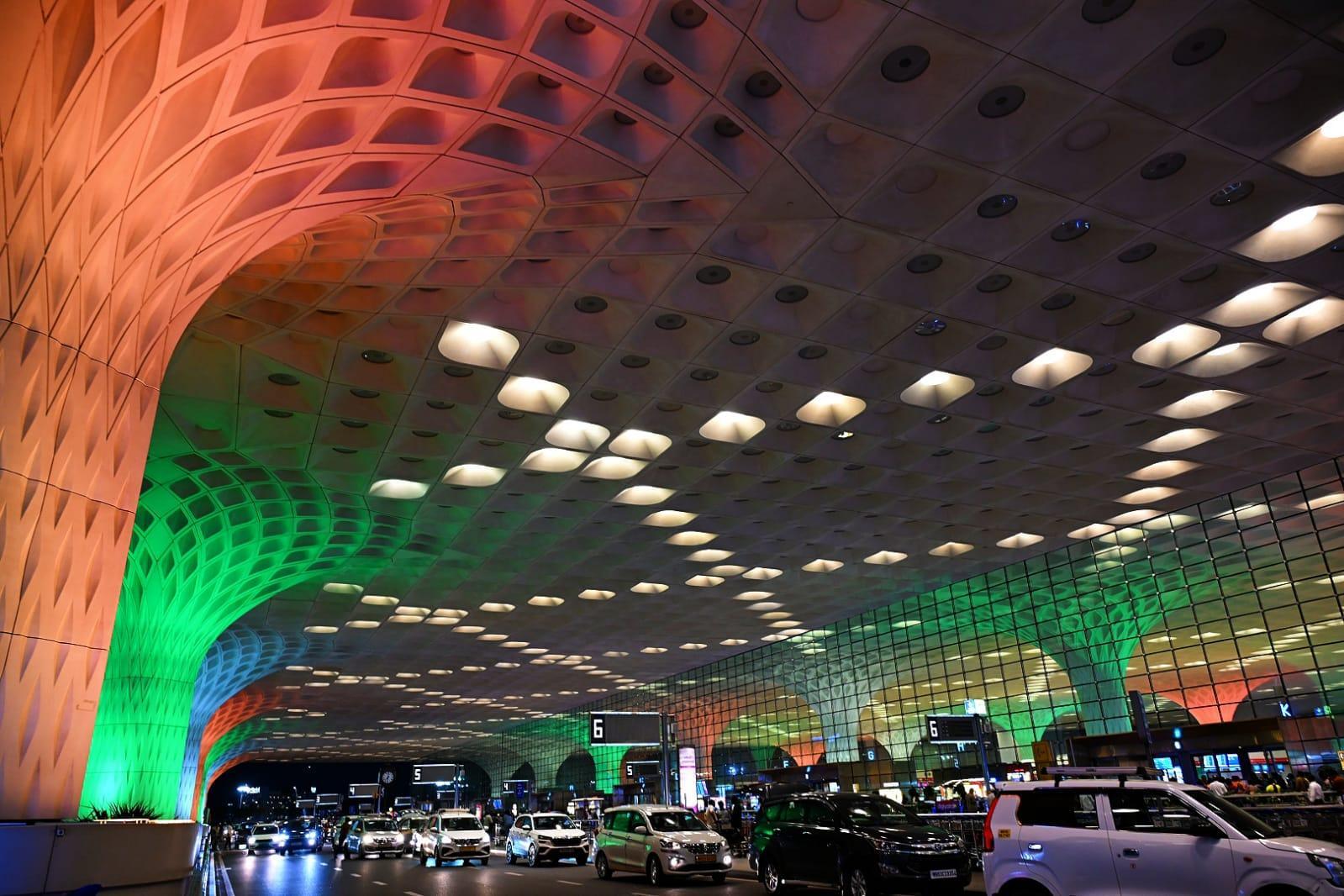
The concrete rupture unfolded when the couple, aged 71 and 68, arrived at the arrivals hall only to find that every autorickshaw driver in the vicinity declined to approach the terminal, citing congestion and perceived safety concerns. With no alternative transport readily available, the pair waited for over two hours, eventually securing a private taxi at a steep premium. Their experience was captured on social media, where it quickly garnered public sympathy and prompted a broader discussion about the informal transport sector’s responsibilities.
Underlying tension lies in the clash between the informal nature of autorickshaw operations and the expectations of a modern, inclusive urban infrastructure. Drivers argue that the narrow lanes and heavy traffic around the airport make it hazardous to navigate, especially during peak hours. Meanwhile, municipal authorities have been criticised for failing to enforce service standards that ensure last‑mile connectivity for all commuters, particularly the elderly and disabled. Institutional friction is evident in the lack of a clear grievance redressal mechanism that can compel drivers to comply with passenger‑service obligations.
Downstream, the episode has prompted the Maharashtra Transport Department to announce a review of autorickshaw operating zones around major transport hubs, with a view to mandating designated pick‑up points and imposing penalties for non‑compliance. Consumer advocacy groups are also lobbying for the introduction of a digital booking platform that could match passengers with vetted drivers, thereby reducing reliance on ad‑hoc street hailing. If implemented, these measures could improve accessibility for senior citizens and set a precedent for other Indian metros facing similar challenges.
Comments 0