Mumbai’s BMC opens 30‑year lease for revamped Bhagwati Hospital to private consortium
The Brihanmumbai Municipal Corporation announced a public‑private partnership to operate the renovated Bhagwati Hospital for three decades. The decision aims to inject capital and managerial expertise into a facility that has struggled with outdated equipment and staffing shortages. Critics warn that profit motives may outweigh public health priorities.
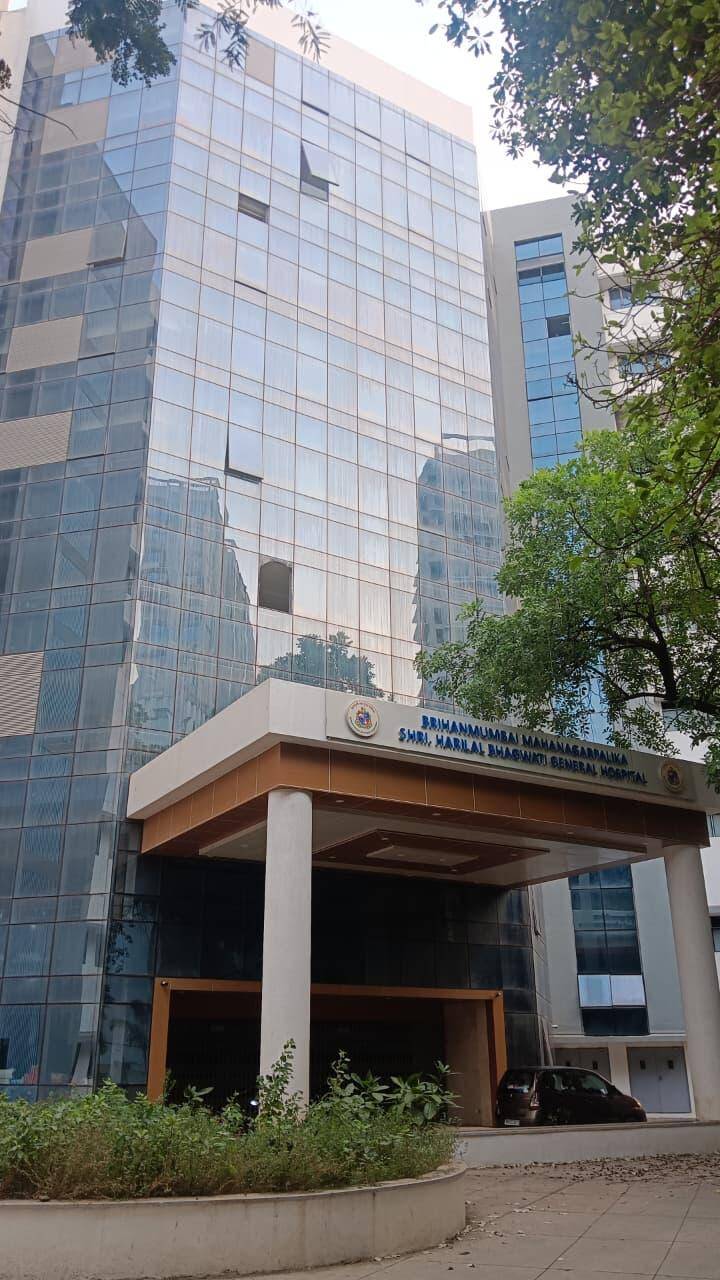
The concrete rupture was marked by a formal invitation issued by the BMC seeking expressions of interest from private entities to manage Bhagwati Hospital after a comprehensive refurbishment. The tender outlined a 30‑year lease, during which the selected partner must meet specified service standards, upgrade diagnostic suites and expand outpatient capacity. The municipal body justified the move by citing chronic budget constraints that have hampered its ability to sustain tertiary care institutions.
Underlying tension arises from a longstanding debate in Mumbai over the role of private capital in public health. Patient advocacy groups have long protested the perceived neglect of municipal hospitals, while fiscal conservatives argue that private management can deliver efficiency gains. The Bhagwati project sits at the intersection of these arguments, with the BMC promising transparency mechanisms to safeguard affordable care while the private sector seeks assurances of revenue streams.
Downstream, the partnership could reshape Mumbai’s healthcare by setting a precedent for similar arrangements across other municipal hospitals. If successful, the model may attract further private investment, potentially reducing wait times for low‑income patients. Conversely, any perceived erosion of accessibility could trigger public protests and compel the state health ministry to intervene, reshaping regulatory oversight of future PPPs.
Comments 0