Mumbai's Dharavi redevelopment to hit 210 trees, 67 marked for felling and 143 for transplantation; developer proposes planting 3,078 trees across 18 hectares in Palghar
The Dharavi redevelopment plan lists 210 trees, with 67 to be felled and 143 to be transplanted, while the developer proposes planting 3,078 trees on 18 hectares in Palghar. The tree‑saving and planting measures aim to offset environmental impact as the slum is transformed.
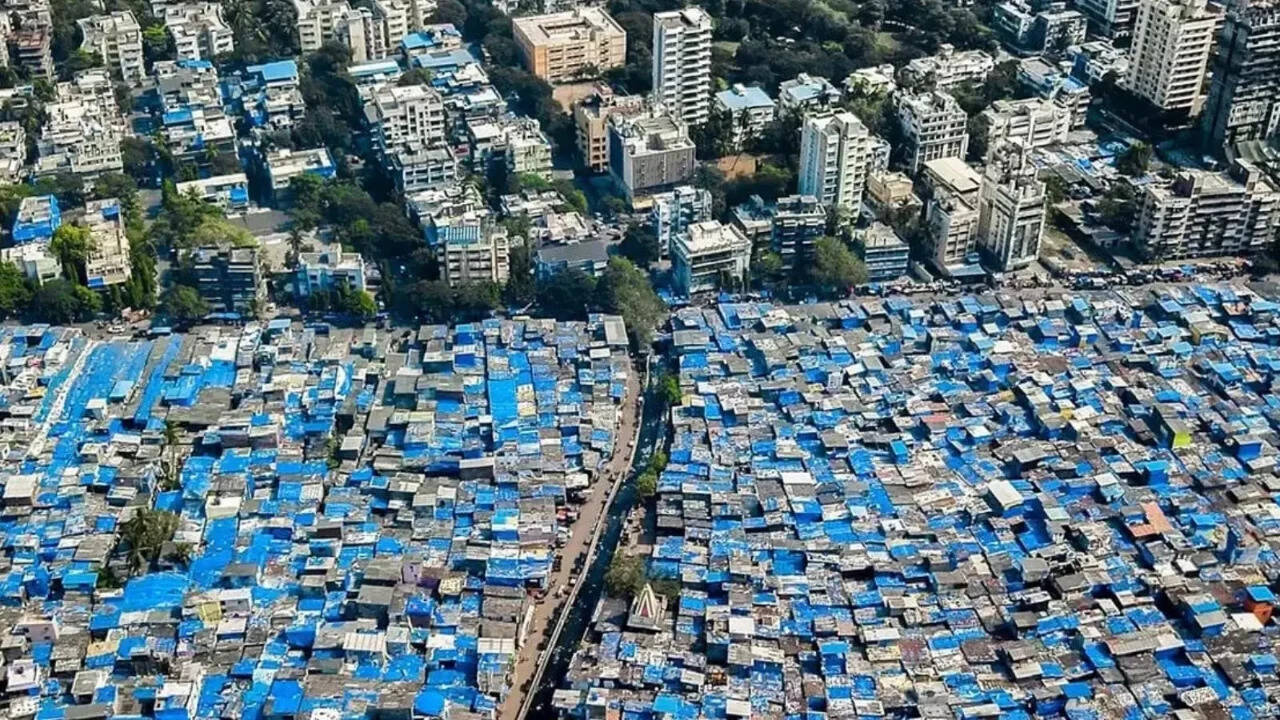
The redevelopment project for Mumbai’s Dharavi slum includes a detailed tree management plan that identifies 210 trees within the site. Of these, 67 trees are slated for removal, while 143 are earmarked for transplantation to nearby locations. In addition, the developer has proposed planting 3,078 new trees across an 18 hectare area in Palghar as part of a broader environmental compensation strategy. The plan was submitted to the municipal authority and is being reviewed for compliance with city green space regulations.
Dharavi, one of the largest informal settlements in Asia, is undergoing a transformation that aims to replace makeshift housing with modern apartments, commercial spaces and improved infrastructure. Critics have raised concerns about the loss of mature trees that provide shade, improve air quality and support local biodiversity. The inclusion of a transplantation programme and a large‑scale planting commitment reflects an effort to mitigate these concerns and to meet the environmental standards set by the state government. Community groups have been invited to comment on the tree‑related aspects of the plan.
If approved, the tree‑related measures could set a precedent for future urban renewal projects in the region, balancing development goals with ecological stewardship. The transplantation of 143 trees will require careful handling and suitable new sites, while the planting of thousands of saplings in Palghar will involve coordination with local authorities and NGOs. Observers will watch how the implementation timeline aligns with the overall construction schedule, as any delays could affect both the housing component and the promised green cover. The next step is a public hearing scheduled for later this month.
Comments 0