Mumbai's Diwali Air: A 20 Percent Improvement Amidst Nighttime Surges
Mumbai's air quality index improved by nearly 20 percent compared to the previous year's Diwali, reflecting the impact of stricter regulatory enforcement and reduced firecracker usage. Despite this macro-level gain, localized pollution spikes during the night hours continue to pose acute health risks to residents in specific pockets.
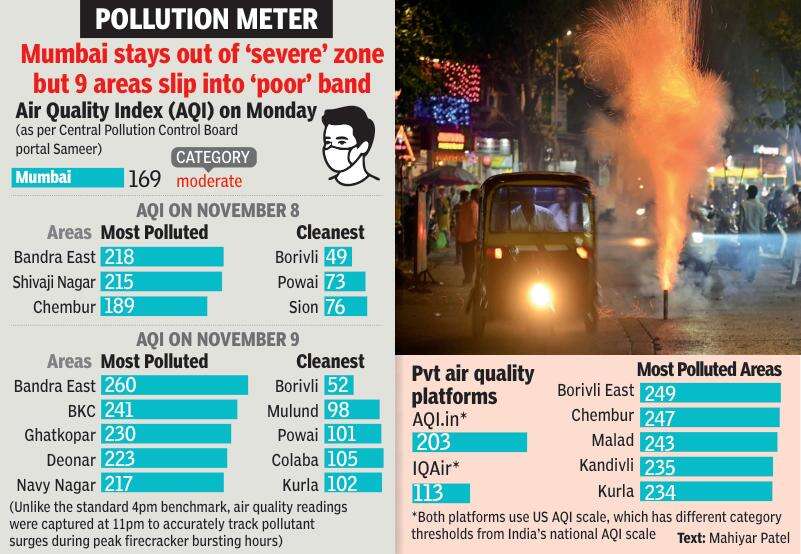
The data from the day following Diwali presents a nuanced picture of environmental progress in India's financial capital. With the Air Quality Index (AQI) registering a 20 percent improvement over the previous year, the city has demonstrated that targeted regulatory interventions can yield measurable results. This shift is largely attributed to the enforcement of bans on aerial fireworks and the broader cultural movement toward quieter, more sustainable celebrations, which have collectively reduced the particulate load in the atmosphere.
Yet, the aggregate improvement masks a persistent, localized crisis. Nighttime monitoring reveals that pollution levels still surge significantly in certain neighborhoods, driven by the lingering effects of ground-level crackers and the inversion layers that trap pollutants close to the ground. This disparity highlights the friction between city-wide policy goals and the granular reality of urban geography, where specific pockets remain vulnerable to acute respiratory stress despite the overall trend toward cleaner air.
The tangible outcome of this mixed reality is a bifurcated public health impact. While the city-wide reduction in AQI likely correlates with a decrease in emergency room admissions for severe respiratory issues, the nighttime spikes continue to exacerbate chronic conditions among vulnerable populations in affected zones. This suggests that future policy must move beyond blanket bans to include hyper-local monitoring and enforcement, ensuring that the benefits of cleaner air are not confined to the day but extend to the hours when the city's most vulnerable residents are most at risk.
Comments 0