The Silent Vanishing of Delhi's Air Quality Data
Thirty-six of Delhi's fifty-nine official pollution monitoring stations ceased reporting during the peak Diwali smog, creating a critical data vacuum that obscures the true severity of the capital's air crisis. This systemic failure undermines public trust in environmental governance and leaves citizens without reliable information to protect their health.
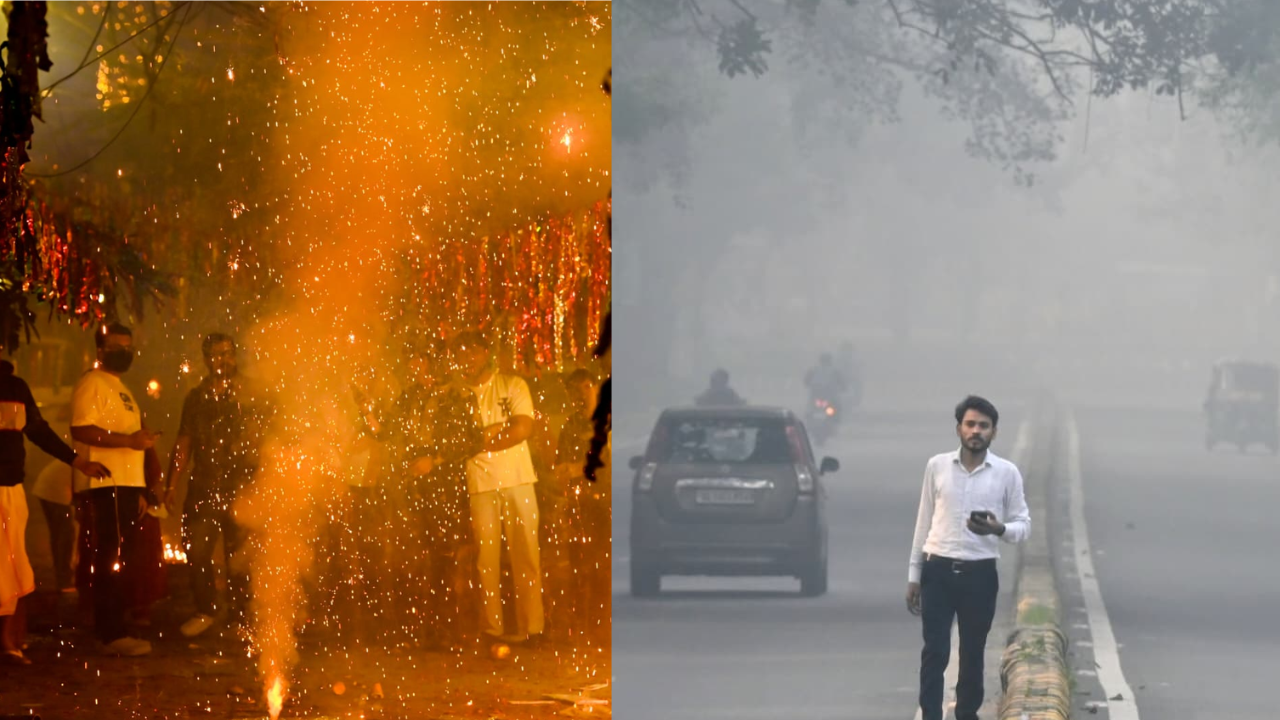
The concrete rupture occurred on the night of Diwali, when the capital was engulfed in its densest smog in five years, yet the official instruments designed to measure this toxicity fell silent. Of the fifty-nine stations maintained by the government, thirty-six went offline precisely when the air quality index was expected to reach its most dangerous levels. This was not a minor technical glitch but a wholesale collapse of the surveillance infrastructure, leaving the public to rely on private, often inconsistent, readings while the official record simply vanished into the haze.
The underlying tension reveals a deep institutional friction between the need for transparent environmental data and the political desire to manage public perception. When the numbers are too high to be ignored, the machinery of state appears to retreat, creating a gap that experts have termed a data eclipse. This pattern suggests that the monitoring network is not merely a scientific tool but a political instrument, one that can be switched off when the results become inconvenient for the administration responsible for the city's environmental welfare.
The downstream casualties are the millions of Delhi residents who must navigate a toxic atmosphere without the guidance of accurate, real-time data. Without reliable official figures, hospitals cannot predict respiratory surges, schools cannot make informed decisions about closures, and citizens are left to guess the danger based on the color of the sky. This erosion of data integrity weakens the legal and regulatory framework for pollution control, as enforcement actions depend on verifiable evidence that is now systematically missing during the most critical periods.
Comments 0