Mumbai's Floating Billboards: A Collision of Commerce and Marine Ecology
Marine biologists have issued a stern warning against the proposed installation of floating billboards in Mumbai's coastal waters, citing severe risks to fish migration and feeding patterns. The controversy highlights a growing friction between the city's aggressive commercial expansion and the ecological integrity of its marine environment.
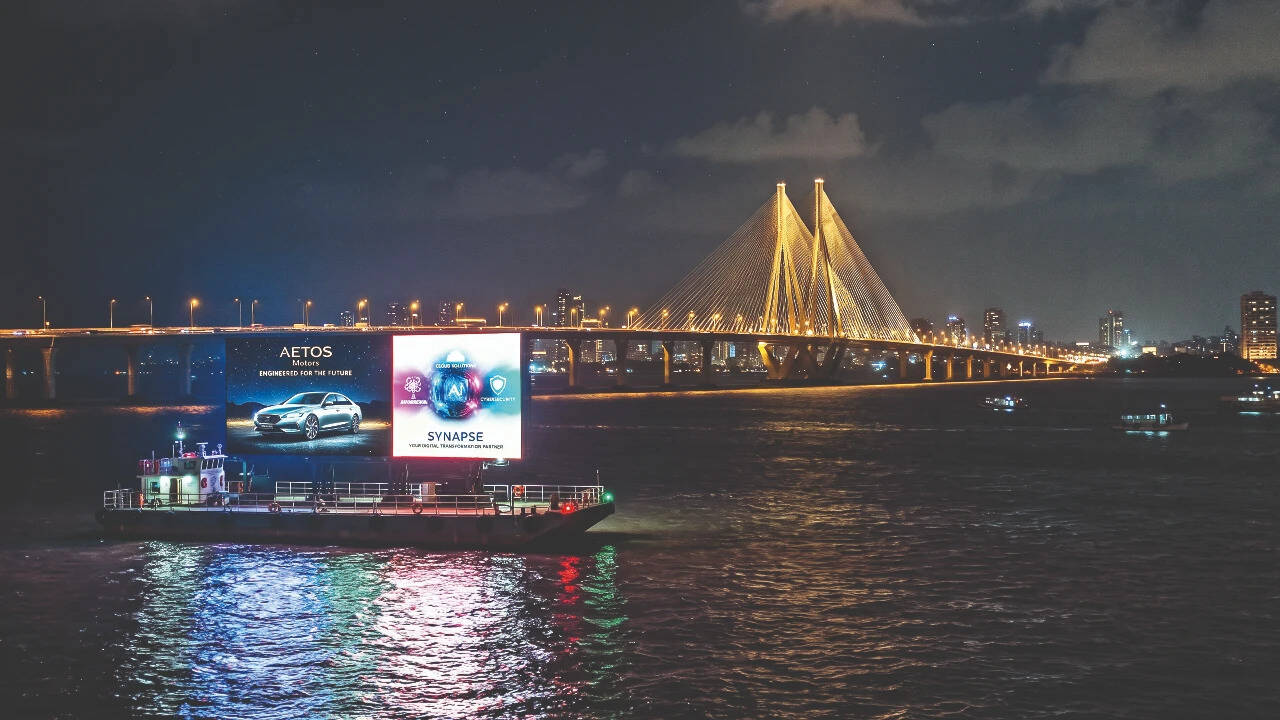
The proposal to install floating billboards in the waters off Mumbai has ignited a fierce debate between commercial interests and environmental science. Experts argue that these structures will disrupt the natural migration routes of fish and other marine life, effectively turning a vital ecosystem into a commercial billboard. The immediate shockwave is not just visual but biological; the introduction of large, stationary objects in the sea can alter water flow and create dead zones where marine life cannot thrive, threatening the livelihoods of local fishing communities.
This situation exposes a deeper institutional failure in urban planning, where economic growth often outpaces environmental impact assessments. The city's drive to monetize every square meter of its coastline reflects a broader trend in Indian metros where commercial ambition is prioritized over ecological sustainability. The friction here is not just between developers and ecologists but between short-term revenue goals and long-term environmental health. The lack of a robust regulatory framework for marine commercial activities has allowed such proposals to gain traction, forcing scientists to intervene publicly to halt what they see as an ecological disaster.
The tangible outcome of this dispute will determine the future of coastal development in India. If the billboards are installed, it could set a precedent for other cities to follow, leading to a cascade of environmental degradation across the country's coastlines. Conversely, if the proposal is rejected, it could establish a stronger legal and scientific framework for protecting marine environments from commercial encroachment. The casualties in this scenario are not just the fish and the ecosystem but the public trust in the city's ability to manage its resources responsibly.
Comments 0