Mumbai's Metro 3 Accelerates: 46 New Services Slash Peak Hour Gaps to 4.25 Minutes
Mumbai Metro 3 has expanded its weekday operations by adding 46 services, increasing daily trips to 337 and reducing the peak hour train gap to 4.25 minutes. This operational surge aims to alleviate the chronic congestion on the city's western corridor and improve the reliability of the suburban rail network.
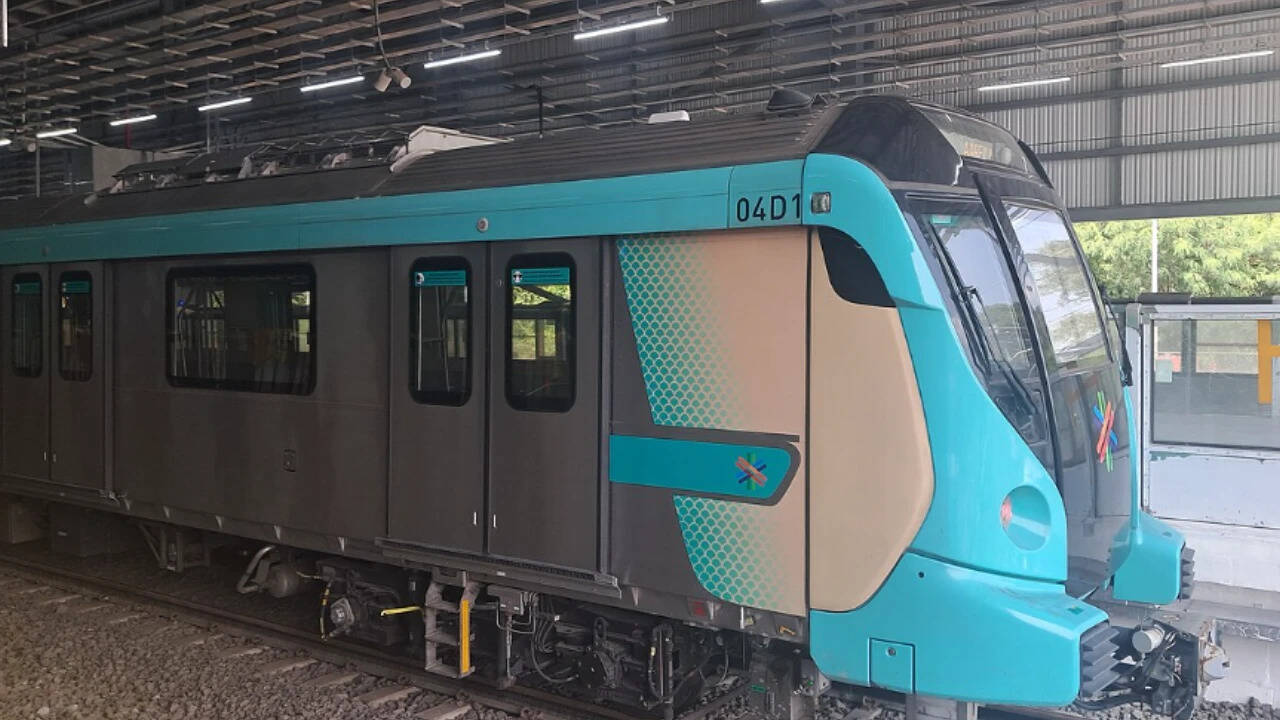
The Mumbai Metro 3 line, a critical artery for the city's western suburbs, has undergone a significant operational expansion with the introduction of 46 additional weekday services. This increase brings the total daily trips to 337, a substantial jump that directly targets the most congested hours of the day. The peak hour train gap has been narrowed to 4.25 minutes, a metric that signals a move toward higher frequency and greater predictability for commuters who have long suffered from unpredictable wait times.
The underlying tension in Mumbai's transit system is the persistent mismatch between the city's explosive population growth and the capacity of its aging suburban rail infrastructure. Metro 3, which runs parallel to the central line, is designed to act as a pressure valve, diverting a portion of the massive daily commuter flow. However, the success of this expansion depends on seamless integration with the existing rail network and the ability of the metro system to handle the increased load without compromising safety or maintenance schedules.
The immediate outcome is a measurable improvement in the quality of life for millions of commuters, who will experience shorter wait times and more reliable service. The downstream consequence is a potential shift in the economic geography of the western suburbs, as improved transit access can drive real estate development and commercial activity along the metro corridor. This operational success also sets a benchmark for other metro lines in the city, which are expected to follow suit in increasing their service frequency to meet the demands of a growing urban population.
Comments 0