Tushar Gandhi Detained in Mumbai Ahead of CJP Solidarity Protest
Mahatma Gandhi's great-grandson, Tushar Gandhi, was detained in Mumbai as he prepared to join a solidarity protest for the CJP, underscoring the expanding reach of the state's crackdown on opposition activities. This move signals a national strategy to suppress dissent beyond the confines of Delhi, targeting prominent figures associated with the Gandhi legacy.
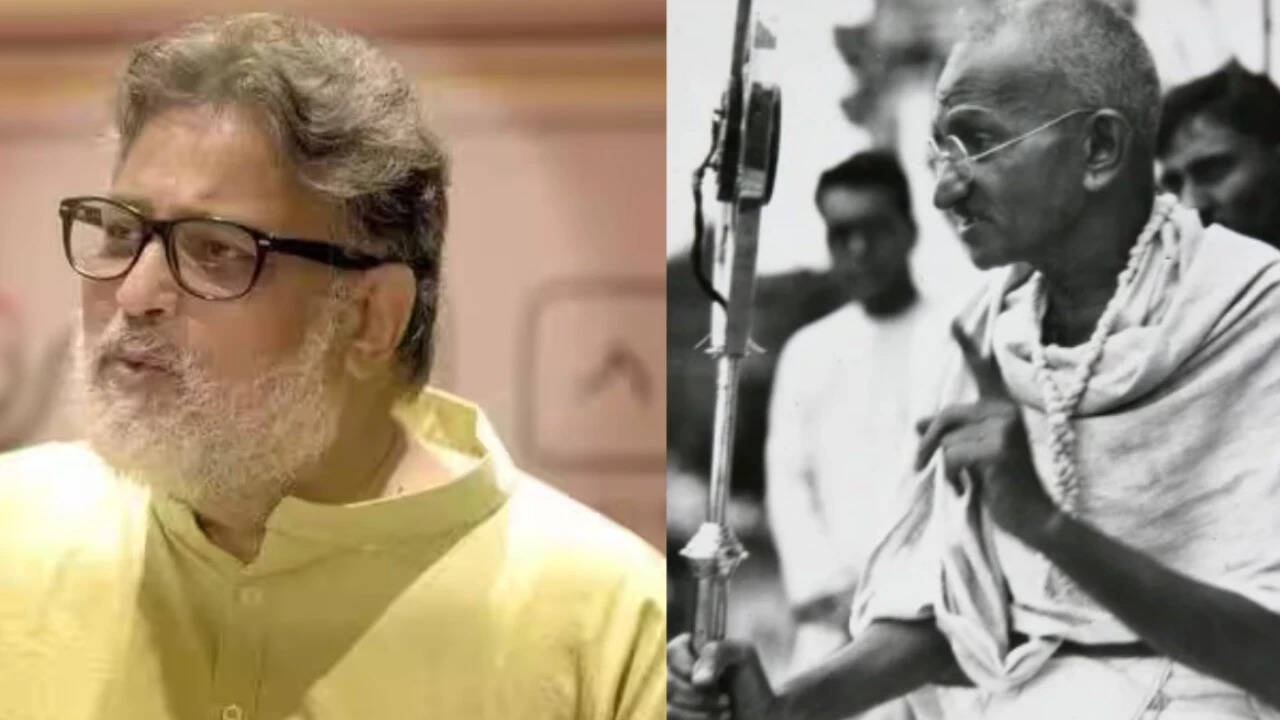
The concrete rupture in the political is the detention of Tushar Gandhi, a prominent figure in the Indian political scene, in Mumbai. This action was taken as he was preparing to participate in a solidarity protest for the CJP, indicating that the state's response to dissent is not limited to the capital but is being implemented across major cities. The detention of a member of the Gandhi family carries significant symbolic weight, as it challenges the moral authority of the opposition and the legacy of non-violent resistance that Mahatma Gandhi represented. The move has drawn widespread criticism from opposition parties and civil society groups, who view it as an attempt to silence dissent and intimidate political opponents.
The underlying tension reflects a deepening divide between the ruling party and the opposition, with the state using legal and administrative tools to suppress political activities that it perceives as a threat to its stability. The detention of Tushar Gandhi is part of a broader pattern of targeting prominent opposition figures, including lawyers and activists, who are seen as key organisers of the protests. This strategy aims to disrupt the coordination of the opposition and prevent the formation of a unified front against the government. The institutional friction is evident in the use of preventive detention laws, which are often criticised for being vague and prone to misuse, to silence political voices.
The downstream casualties of this crackdown are the democratic values of free speech and assembly, which are being eroded by the state's actions. The tangible outcome is a climate of fear that discourages participation in political protests and undermines the legitimacy of the opposition. The detention of Tushar Gandhi may also have international repercussions, as it draws attention to the state of civil liberties in India and could lead to diplomatic pressure from foreign governments. The 12-month structural consequence is likely to be a further polarisation of the political , with the opposition becoming more radicalised and the state becoming more authoritarian in its response to dissent.
Comments 0