Municipal Ecologies: Pune Residents Champion Sustainable Festival Traditions
Urban neighborhoods in Pune have embraced eco-friendly practices during recent cultural festivities by utilizing shadu clay idols and composting organic waste. This grassroots movement confronts escalating urban environmental degradation.
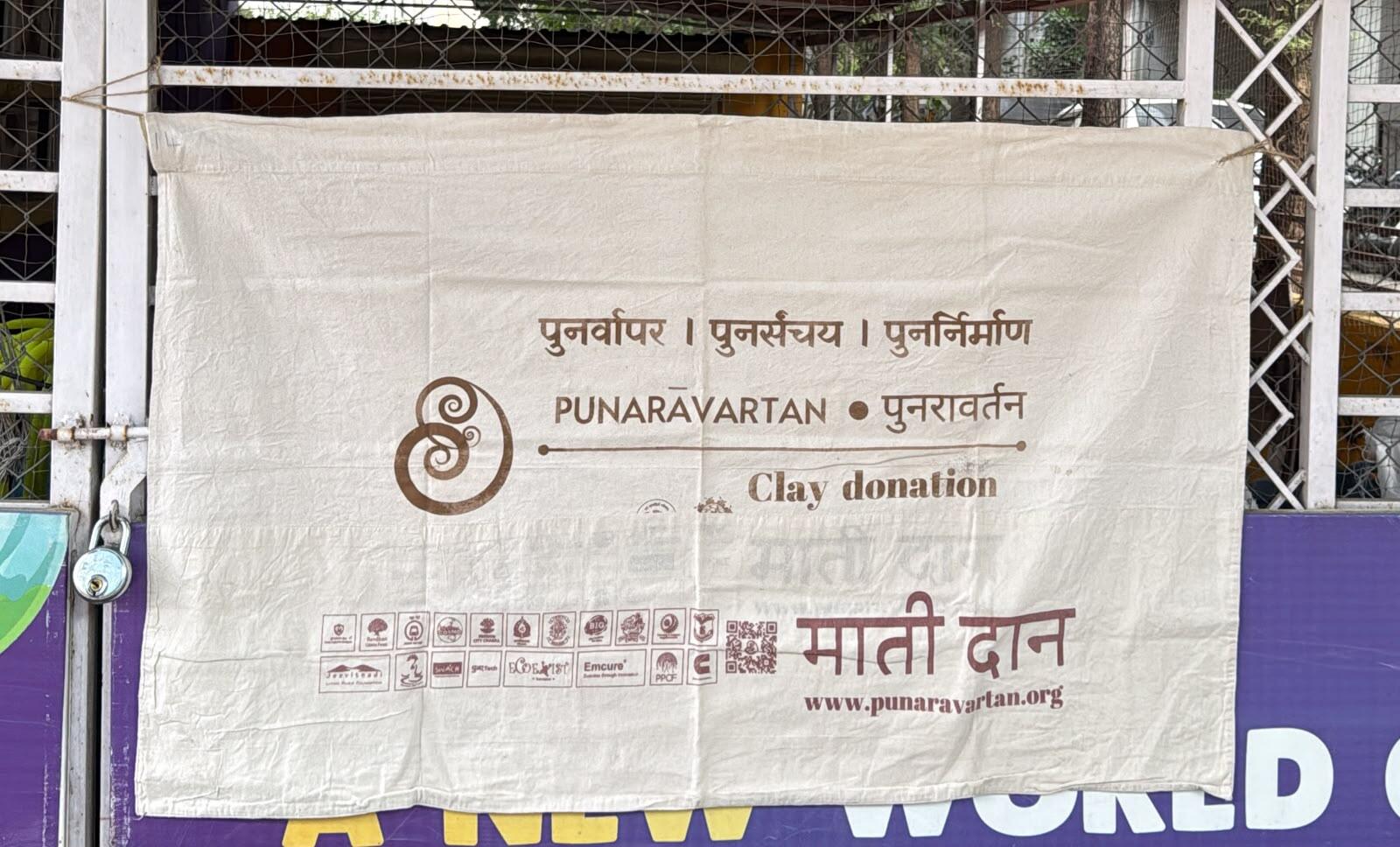
The annual festive season traditionally imposes heavy ecological burdens on municipal waste management systems through non-biodegradable plaster immersion and excessive plastic decoration. Citizen-led collectives in Pune mobilized neighborhoods to reject synthetic materials in favor of traditional clay and localized composting. These community initiatives bypassed sluggish municipal sanitation departments to establish direct recycling loops. Urban local bodies often struggle to reconcile large-scale cultural celebrations with environmental preservation mandates due to political sensitivities. Grassroots participation bridges this governance gap, demonstrating that voluntary community action can achieve sustainable outcomes without heavy-handed state enforcement. Municipal councils now face pressure to institutionalize these community-led waste reduction frameworks. The immediate tangible outcome is a measurable reduction in water body pollution and a significant decrease in municipal landfill tonnage during the peak festive period. Urban planners across western India are studying these decentralized models for replication in other metropolitan centers.
Comments 0