Police Enforce Strict Conditional Protocols For Festive Processions In Maharashtra's Historical Districts
Law enforcement agencies have issued stringent conditional permits to local cultural organizations participating in traditional immersion processions in Pune. The regulatory framework aims to maintain public order and prevent sectarian friction during crowded celebrations.
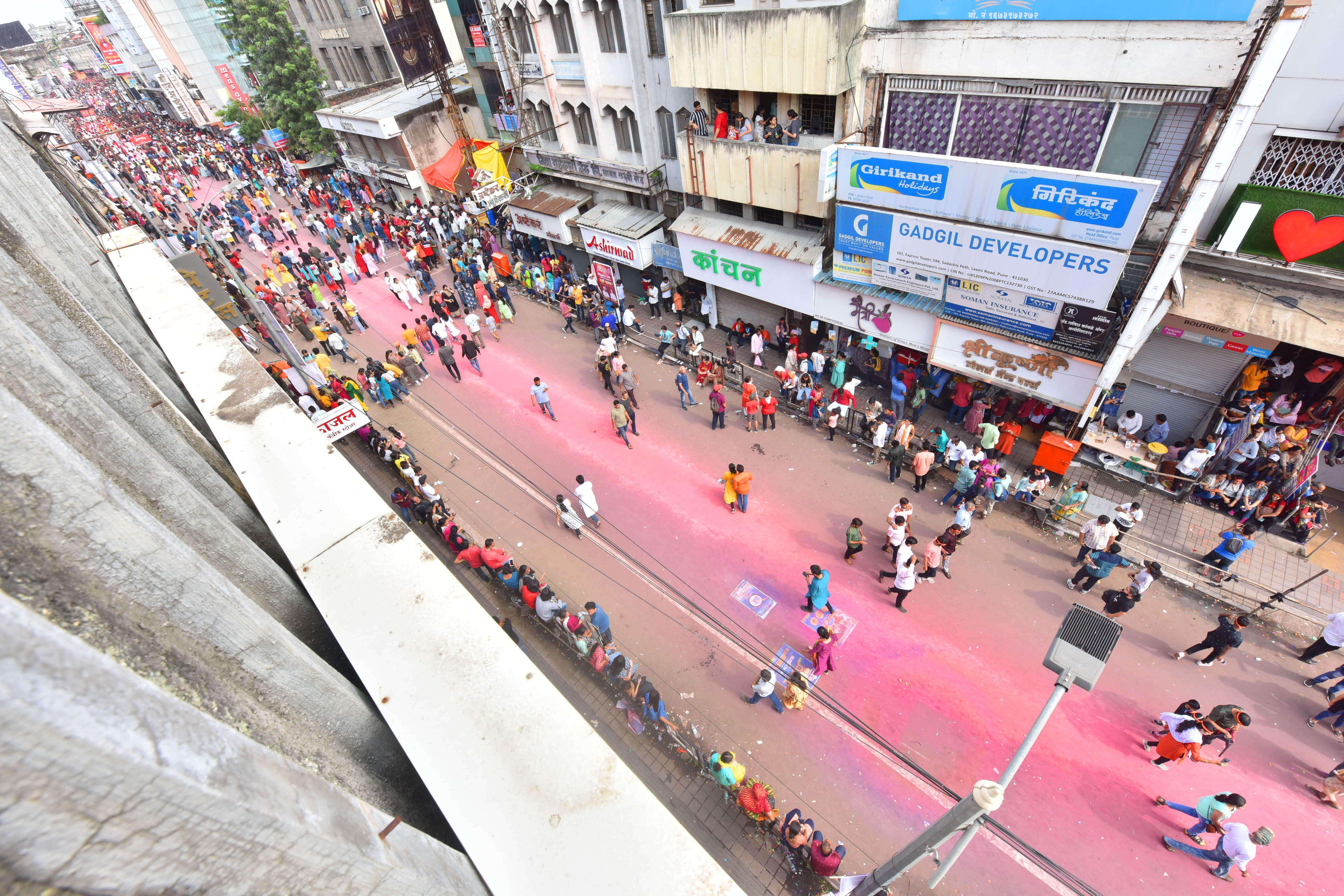
Municipal police authorities in Pune have established rigorous compliance frameworks for traditional community groups, known as mandals, participating in the upcoming festival immersion marches. Organizers must adhere to strict sound decibel limits, designated route schedules, and mandatory CCTV surveillance installations. These measures are designed to preempt public congestion and mitigate the risk of communal flare-ups in densely populated heritage zones. The enforcement reflects the growing administrative challenge of managing massive public gatherings within historic urban cores characterized by narrow thoroughfares and sensitive demographics. While law enforcement defends the protocols as essential for public safety, veteran organizers argue that bureaucratic micromanagement strips the cultural festivities of their spontaneous and traditional character. The negotiations reveal an ongoing tension between state securitization of public space and traditional community autonomy. The immediate consequence of these conditional permits is a highly policed, orderly procession that minimizes traditional disruptions but dampens festive exuberance. Non-compliant organizations face swift legal penalties and denial of future participation rights. Over time, this administrative rigidity threatens to transform organic cultural celebrations into state-managed civic exercises.
Comments 0