Nagoya's Silent Triumph: India's Para Athletes Chase a Century of Medals
Indian para athletes are poised to cross the 100-medal mark at the Asian Para Games in Nagoya, a milestone that underscores the growing institutional support and competitive depth in the nation's adaptive sports sector. This achievement signals a shift from token participation to sustained high-performance output in international disability sports.
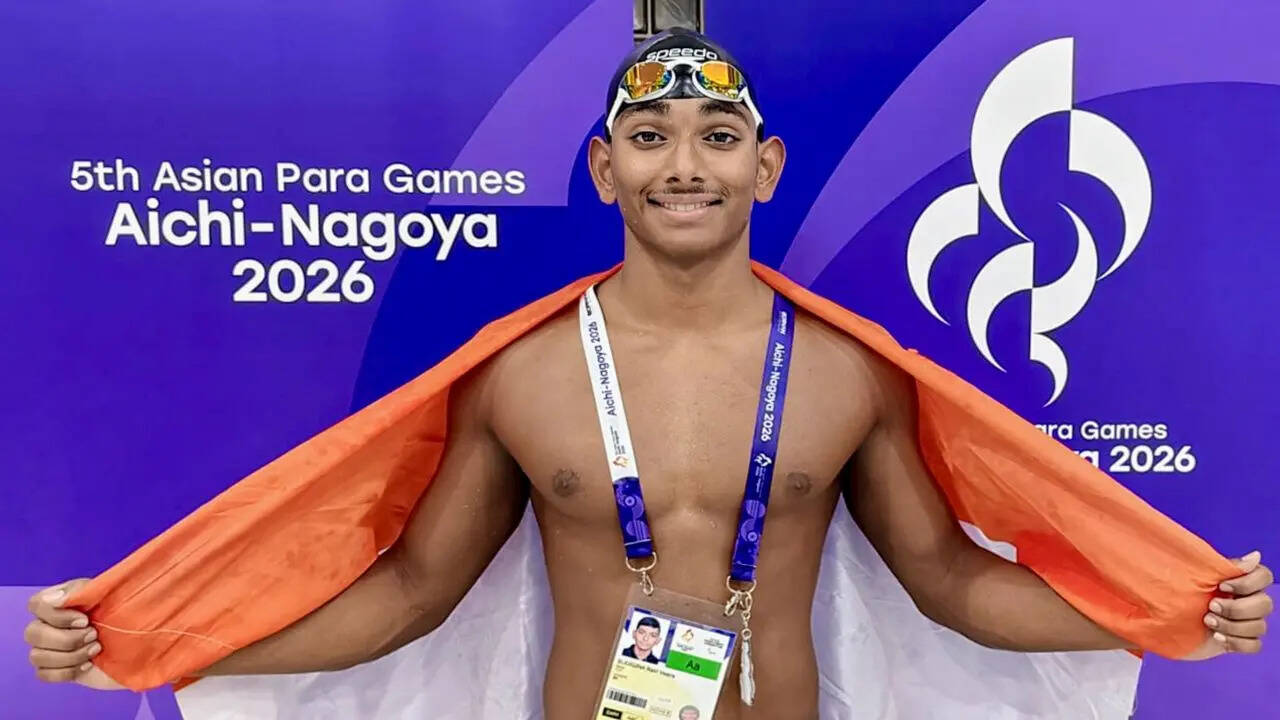
On the fifth day of the Asian Para Games in Nagoya, India's contingent is on the verge of a historic milestone, aiming to secure its 100th medal. This numerical threshold is not merely a statistical feat but a marker of structural change in how the nation approaches adaptive sports. The athletes, competing in track and field, swimming, and other disciplines, are demonstrating a level of consistency that was rare in previous cycles. The pursuit of this century mark reflects a maturation in training infrastructure and athlete welfare systems that have been quietly built over the last decade.
The institutional friction that once plagued Indian para sports, characterized by ad-hoc funding and limited recognition, is giving way to a more formalized support network. The government and private sponsors have begun to treat para athletes as elite competitors rather than charitable cases, resulting in better access to global training camps and specialized equipment. This shift in perception has altered the psychological for the athletes, who now compete with the confidence of those backed by a robust national apparatus. The tension between past neglect and present investment is palpable in the intensity of their performances.
The tangible outcome of this trajectory is a new generation of athletes who view international competition as a standard rather than an exception. As the medal count climbs, the pressure on the government to maintain this level of support will increase, potentially leading to further professionalization of the sector. The 100-medal mark will serve as a benchmark for future cycles, setting expectations for higher visibility and greater financial allocation. This success also challenges the broader sports establishment to integrate para athletes more fully into the national sporting narrative, moving beyond separate categories to a unified culture of excellence.
Comments 0