National Institute Of Virology Warns Pune Faces Heightened Future Vulnerability To Zika Outbreaks
Research published by the National Institute of Virology indicated that Pune urban zones remain at high risk for future Zika virus transmission cycles. Scientists urged municipal health departments to upgrade vector control protocols.
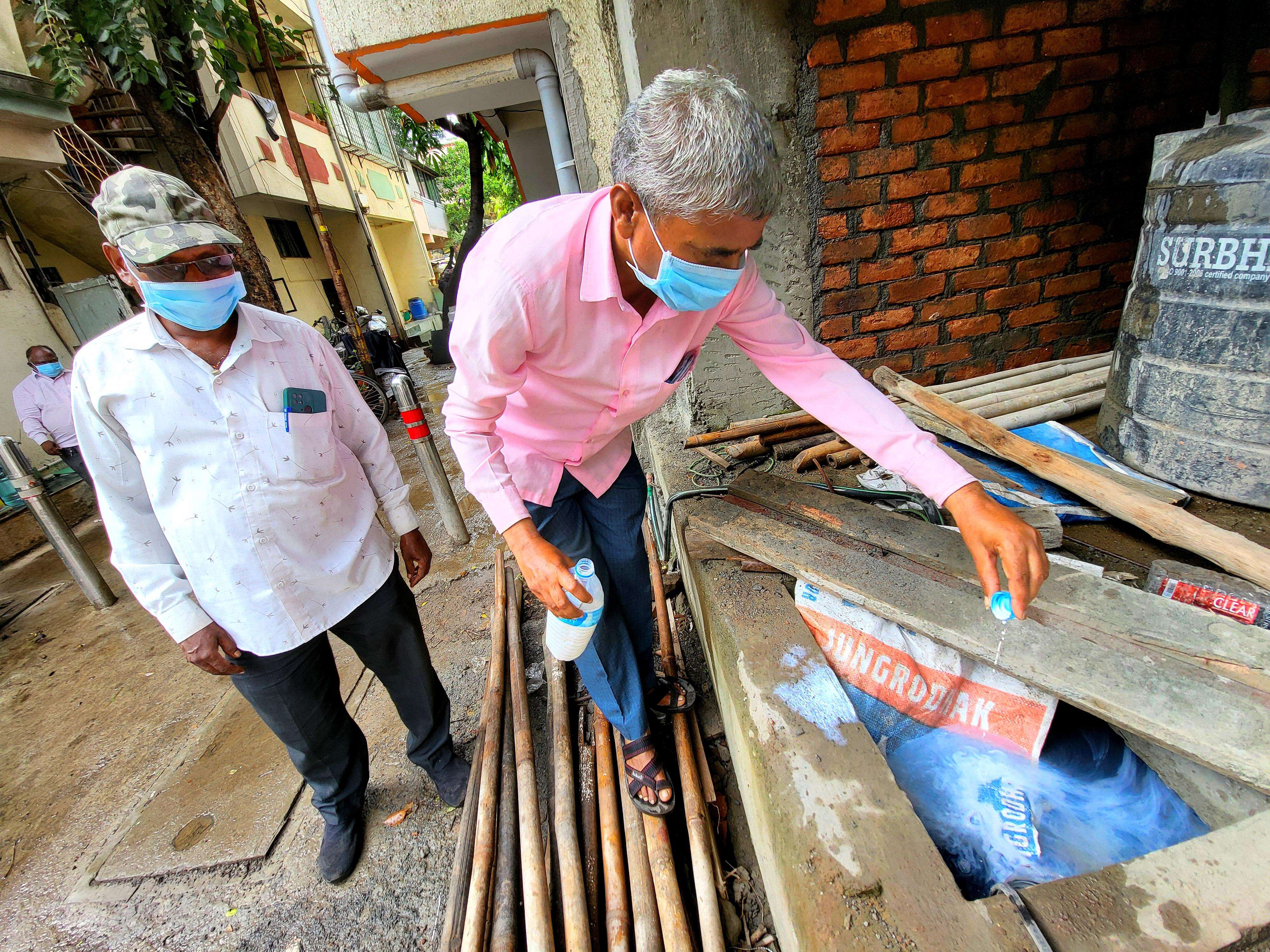
Epidemiological surveillance data released by the National Institute of Virology placed urban Pune on high alert for potential Zika virus resurgences driven by shifting climatic patterns and urban density. Researchers mapped vector proliferation hotspots across rapidly developing suburban corridors, noting inadequate drainage infrastructure as a primary catalyst for mosquito breeding. The findings challenge municipal complacency following previous localized containment efforts. The scientific warning highlights systemic friction between aggressive real estate expansion and public health infrastructure development in India's tier-one manufacturing cities. Municipal corporations routinely prioritize commercial construction permits over stormwater management and vector mitigation, leaving dense urban populations exposed to arboviral infections. Public health researchers continue to clash with urban planners over zoning laws that ignore epidemiological safety. The immediate outcome forces local health authorities to redeploy surveillance teams and increase fogging operations across identified risk zones. Downstream, municipal budgets will face mandatory reallocation toward integrated vector management systems to avert public health crises during upcoming monsoon transitions.
Comments 0