New Delhi Rationalizes Petroleum Export Levies Amid Global Price Volatility
The Union government has recalibrated export duties on petrol, diesel, and aviation turbine fuel, reducing the levy on petrol to half a rupee per litre. This adjustment reflects shifting international crude benchmarks and provides domestic refiners with renewed margin flexibility.
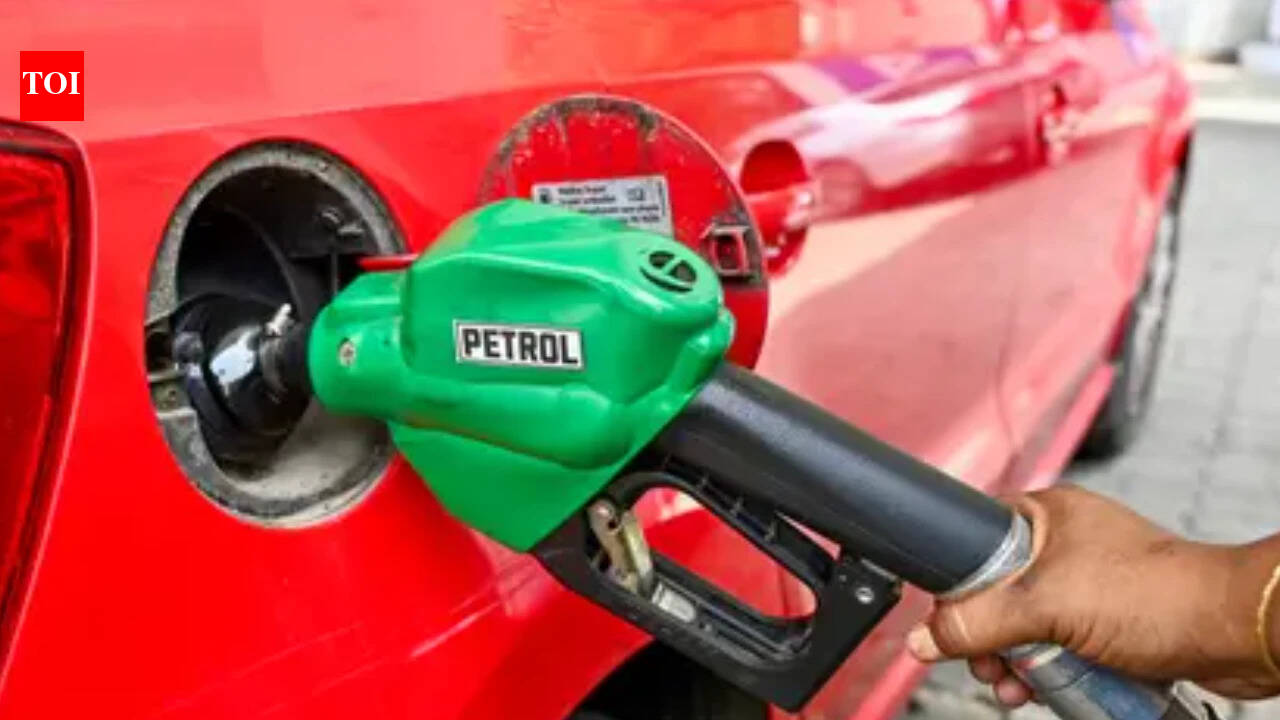
India's fiscal architects have periodically adjusted windfall profit taxes on domestic petroleum producers and refiners to balance state revenues against the vagaries of international crude markets. The latest reduction in export levies demonstrates a pragmatic retreat from aggressive taxation as global supply chains stabilize and price spikes moderate. Refiners who previously absorbed heavy duties on outbound shipments now retain greater operating margins, altering export economics across the energy sector. This policy calibration occurs against a backdrop of complex macroeconomic pressures, including persistent inflation and fluctuating currency valuations that complicate the nation's energy import bill. Domestic oil marketing companies and private refiners have continuously lobbied for reduced levies to remain competitive against regional processing hubs in the Middle East and Southeast Asia. The Ministry of Finance must constantly navigate this tightrope between maximizing public exchequer receipts and maintaining the international competitiveness of domestic industrial output. The immediate beneficiaries of the revised rates are large private and public sector refiners who can now recalibrate their export volumes without facing prohibitive tax penalties. Consequently, the move may stimulate higher outbound shipments of refined products, boosting foreign exchange earnings while exerting a stabilizing influence on domestic fuel availability. As global energy demands shift toward alternative sources, these tactical tax adjustments remain essential instruments for maintaining macroeconomic equilibrium.
Comments 0