New Delhi Trims Petroleum Export Levies as Global Energy Markets Shift
The Union government reduces export duties on petrol, diesel, and aviation turbine fuel during its fortnightly fiscal review. This adjustment provides vital relief to domestic refiners navigating volatile international margins.
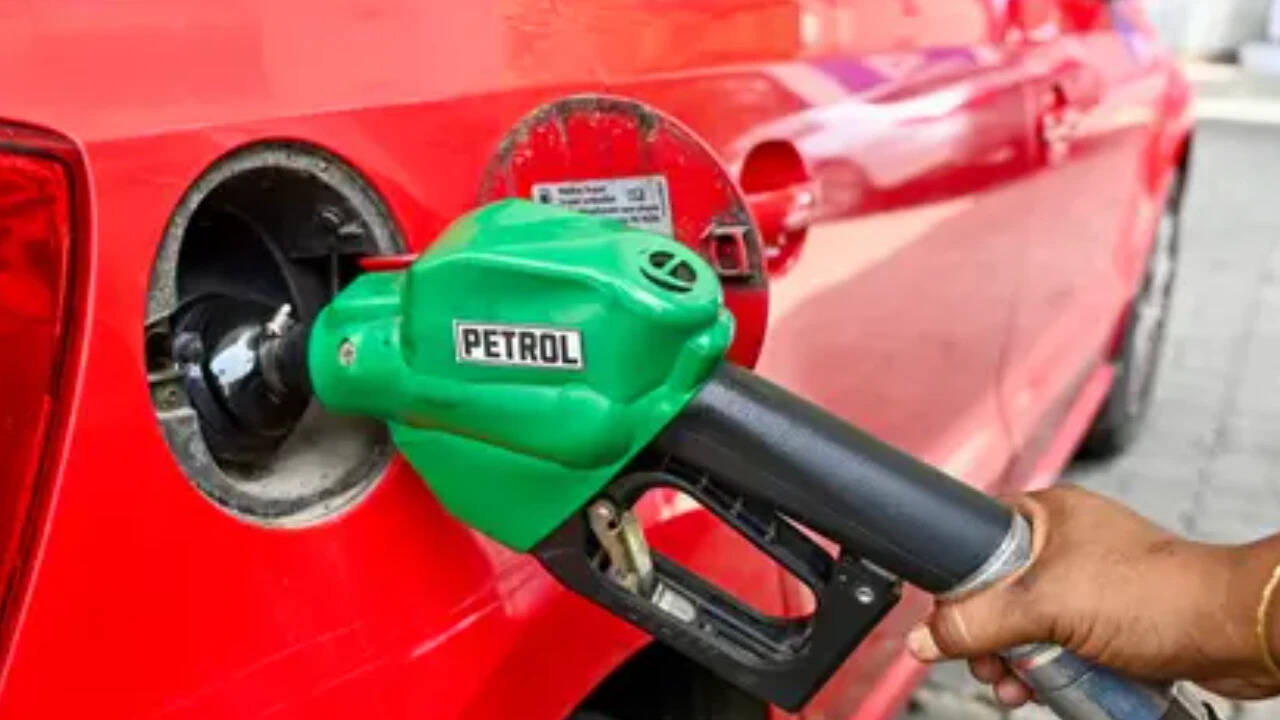
India's fiscal machinery recalibrated its energy export architecture by lowering levies on key petroleum products, setting the export duty on petrol down to a nominal half-rupee per litre. This deliberate policy intervention reflects shifting inventory levels and stabilizing crude supplies across international markets. Refining conglomerates, which previously bore the brunt of heavy windfall taxes designed to protect domestic supply, now find themselves positioned to capture healthier export margins. The underlying tension centers on the delicate equilibrium between maintaining state revenue streams and ensuring unhindered capacity utilization within private and public sector refineries. While fiscal managers seek to maximize foreign exchange earnings through competitive export pricing, consumer protection imperatives demand constant vigilance over domestic pump prices. Energy ministry officials must continuously balance these competing mandates against the backdrop of geopolitical supply shocks and fluctuating OPEC output quotas. Domestic refineries emerge as the primary commercial winners of this tax rationalization, enjoying renewed competitiveness in eastern and African markets. State treasuries, however, must absorb a temporary dip in petroleum tax receipts, necessitating compensating adjustments in indirect taxation elsewhere. Downstream, the move signals a broader transition away from crisis-era price controls toward a more flexible, market-responsive energy taxation regime.
Comments 0