New Delhi Reclaims Fiscal Sovereignty Through Sweeping Tax Treaty Overhauls
India has rewritten foundational bilateral tax treaties with Mauritius, Singapore, and Cyprus to restore its sovereign right to tax capital gains directly at source. This aggressive regulatory shift dismantles decades-old routing structures used by foreign institutional investors, signaling an end to preferential offshore tax advantages.
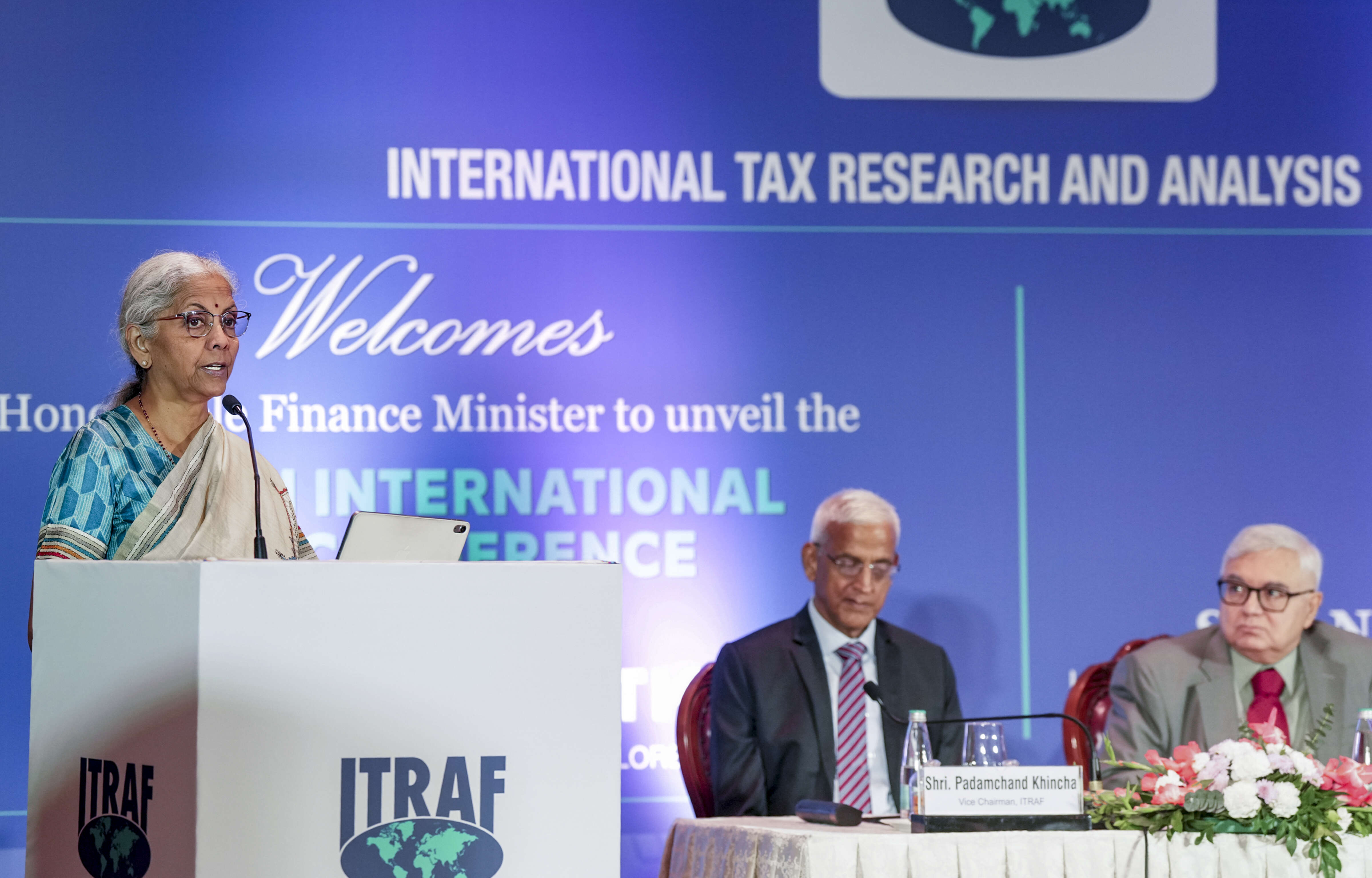
For decades, foreign capital flowing into Indian public and private markets utilized sophisticated double-taxation avoidance agreements routed through financial hubs like Mauritius and Singapore. These legal mechanisms allowed global institutional investors to sidestep domestic capital gains obligations, creating a significant revenue drain for the exchequer. Finance Minister Nirmala Sitharaman concluded exhaustive renegotiations that fundamentally alter these treaties, stripping away legacy exemptions and asserting unilateral domestic taxation powers over inward investments. This aggressive policy pivot stems from mounting frustration within the Ministry of Finance regarding profit shifting and tax base erosion. Domestic revenue authorities argued that jurisdictions offering zero or near-zero capital gains tax rates incentivized shell company formations rather than productive, long-term foreign direct investment. By modernizing these treaties to align with contemporary base erosion and profit shifting guidelines, New Delhi has systematically closed historical loopholes that privileged foreign institutional funds over domestic tax compliance. The immediate consequence is a sharp recalculation of return metrics for private equity and venture capital funds operating across Mumbai and Bengaluru. Investors accustomed to tax-free exit valuations must now factor domestic capital gains deductions directly into their transactional models, causing immediate friction in cross-border deal structuring. Over the coming fiscal cycle, this policy realignment will force international funds to prioritize operational substance and direct economic contribution inside India over simple tax arbitrage.
Comments 0