Opposition Condemns Prime Minister Over Digital Payment Levies
Senior Indian opposition figures launched scathing attacks against the central administration regarding proposed transaction tariffs on unified payments. The confrontation highlights mounting friction over the commercialization of digital public infrastructure.
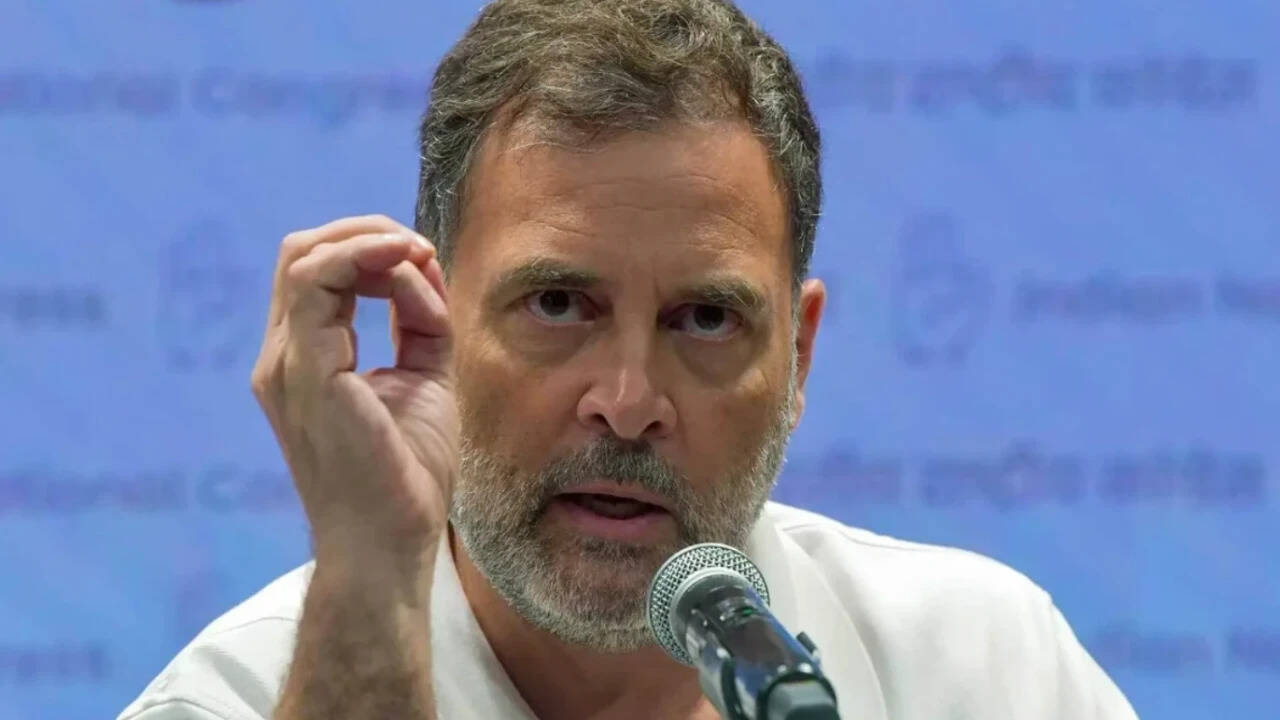
The political arena in New Delhi ignited following reports of impending transaction charges associated with popular instant payment systems. Opposition leadership accused the executive branch of yielding to international trade pressures and compromising indigenous financial sovereignty for diplomatic expediency. Public discourse rapidly polarized around the protection of consumer welfare versus the fiscal sustainability of digital transaction networks. Institutional friction intensified between fintech stakeholders and legislative watchdogs over the transparency of pricing models. While state regulators maintained that nominal fees are essential for network expansion and cybersecurity enhancements, critics argued that imposing levies on ubiquitous payment platforms punishes ordinary citizens and stalls grassroots financial inclusion. The debate laid bare the vulnerabilities inherent in scaling state-backed digital utilities through private commercial entities. The downstream casualty of this policy impasse is consumer trust in the long-term costlessness of digital public goods. Should transaction fees materialize, low-income merchants and daily wage earners will absorb the immediate financial shock, potentially reversing years of gains in formalizing the cash economy.
Comments 0