New Taps in Bundelkhand Turn Water Scarcity into Marriage Opportunities
Installation of fresh water taps in Bundelkhand villages has alleviated chronic shortages, enabling young men to attract prospective brides. The development links basic infrastructure to social outcomes in the region.
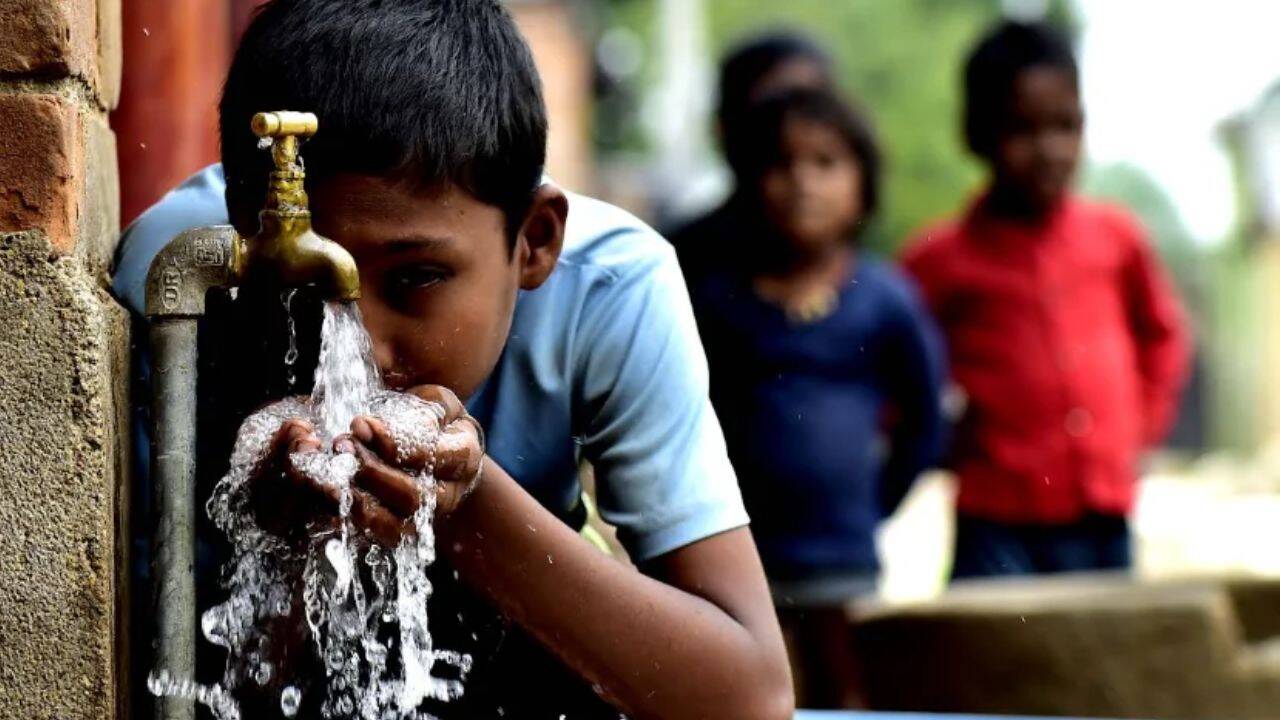
In the arid districts of Bundelkhand, a series of government‑led water projects have finally delivered functional taps to households that previously relied on erratic wells and seasonal streams. The reliable supply of clean water has transformed daily life, allowing families to maintain hygiene standards and reducing the incidence of water‑borne diseases. Local officials report that the taps have also sparked modest economic activity, as small vendors set up stalls near the new distribution points, creating micro‑entrepreneurial opportunities.
Underlying tension stems from longstanding grievances over neglect and the perception that the region has been left out of broader development schemes. Community leaders have long argued that water scarcity undermines social stability, particularly in a cultural context where marriage prospects are closely tied to a household’s ability to provide basic amenities. The recent infrastructure upgrades have therefore been welcomed as a corrective measure, though some activists caution that maintenance and equitable distribution remain unresolved challenges.
The immediate consequence is a noticeable shift in marriage patterns. Young men who previously struggled to find partners due to the lack of basic services are now reporting increased interest from families in neighboring districts. This social ripple effect may contribute to a gradual reduction in out‑migration, as families see renewed prospects for stability within their native villages. Over time, the enhanced water access could lay the groundwork for broader educational and health improvements, reinforcing the region’s long‑term development trajectory.
Comments 0