NLU Delhi Calls for Scholarly Input on EU‑India Free Trade Accord
The Innovation Brief of National Law University Delhi opened a call for blog submissions analysing the pending EU‑India free trade agreement. The invitation is set to amplify academic influence on forthcoming trade negotiations.
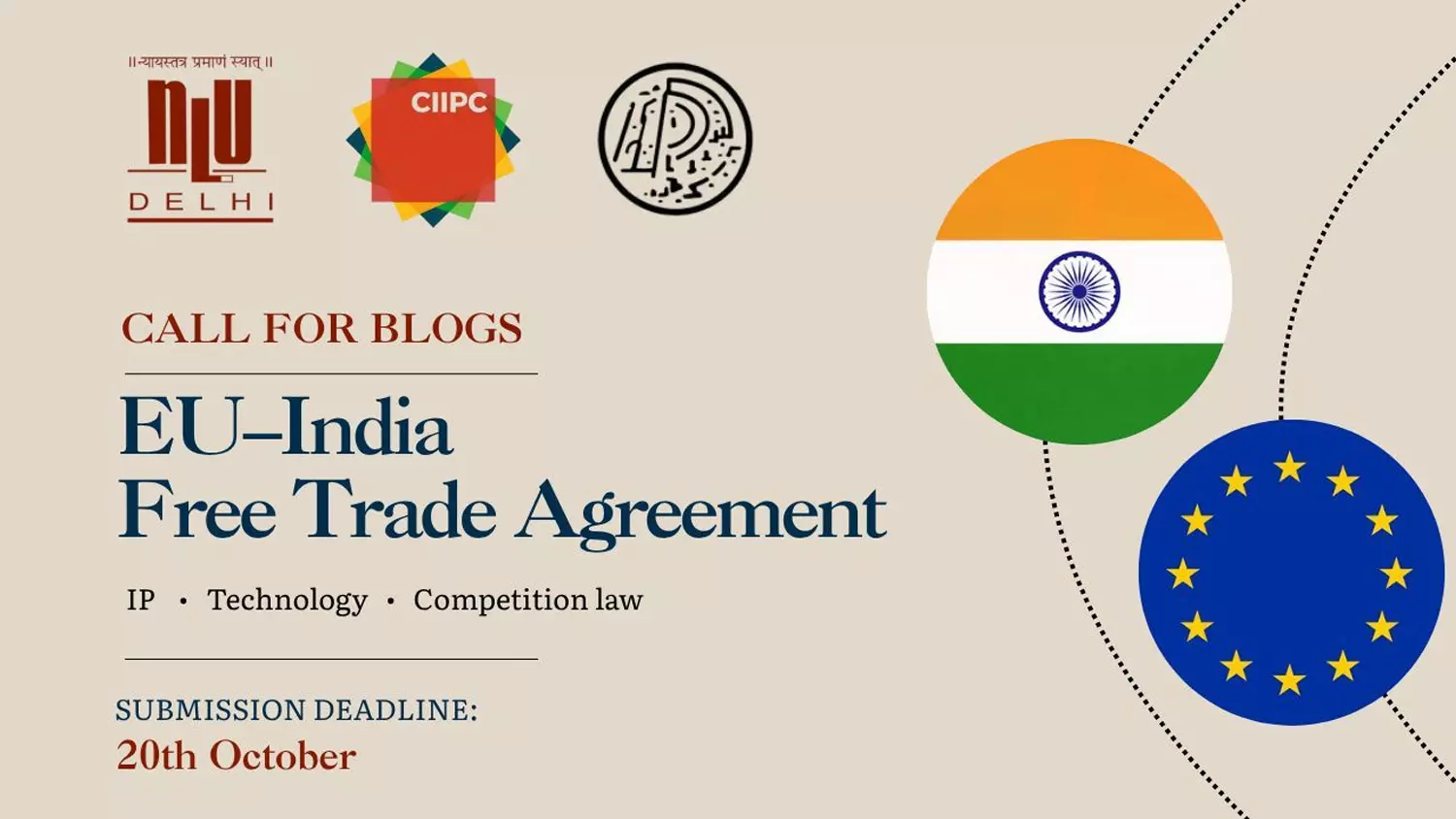
The Innovation Brief, a flagship publication of National Law University Delhi, announced an open invitation for scholars, practitioners and students to submit analytical blogs on the EU‑India free trade agreement currently under negotiation. By soliciting diverse perspectives, the university aims to create a repository of legal and economic insights that could inform policymakers as they navigate tariff reductions, regulatory harmonisation and dispute‑resolution mechanisms. The call arrives at a moment when both continents are seeking to deepen market access while safeguarding strategic industries.
Underlying this initiative is a tension between domestic interest groups in India, who fear that liberalisation may erode protective measures for nascent sectors, and European stakeholders eager to secure a foothold in a rapidly growing market. The university's platform provides a structured arena where these competing narratives can be examined, potentially tempering political pressure on negotiators. Legal scholars anticipate that rigorous academic debate will surface concerns about intellectual property standards, data localisation and environmental clauses that have historically stalled trade talks.
The downstream impact of this scholarly mobilisation could be a more nuanced negotiation stance from the Indian Ministry of Commerce, reflecting evidence‑based arguments rather than purely political rhetoric. Should the submissions gain traction among senior officials, the resulting trade framework may incorporate stronger safeguards for vulnerable industries, while still delivering the market‑opening benefits sought by European partners. Over the next year, the initiative may set a precedent for institutionalised academic input in high‑stakes trade policy formulation.
Comments 0