No Need For Speed: Fines Fail To Drive Home Point
A study of traffic enforcement found that the average fine for speeding, set at 7,535 rupees, did not lead to a measurable reduction in driver speed. The findings suggest that monetary penalties alone may be insufficient to change road‑user behavior.
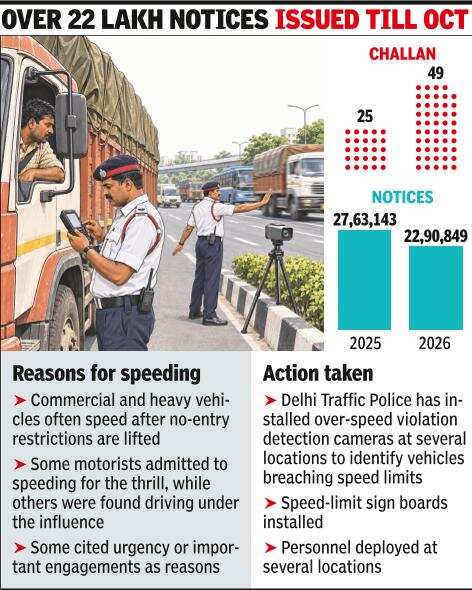
A recent study examined the effect of traffic fines on driver behavior in the capital region. The average fine imposed for speeding was reported as 7,535 rupees, a figure that represents the typical penalty across the surveyed zones. Researchers collected speed data from sensors placed on major arteries over a six‑month period, comparing vehicle speeds before and after fine notices were issued. The methodology aimed to determine whether higher monetary penalties lead to a measurable reduction in average speed.
The analysis showed that, despite the relatively high fine amount, average speeds on the monitored roads remained largely unchanged. Drivers continued to exceed speed limits by similar margins as before the fine notices were distributed. The study authors attribute this to a combination of factors, including limited awareness of enforcement actions, the perception that the chance of being caught is low, and the convenience of faster travel outweighing the financial risk. In some cases, drivers adjusted routes rather than reducing speed, indicating that the fine did not alter the underlying incentive structure.
Policy makers are urged to consider complementary measures such as increased patrol visibility, automated speed cameras, and public awareness campaigns that highlight the safety risks of speeding. For commuters, the research underscores that relying solely on fines may not improve road safety, and that broader strategies are needed to encourage responsible driving. Future traffic‑management plans may integrate technology and education to achieve more lasting behavior change.
Comments 0