Norfolk Broads: The Battle for Green Space
A Labour MP has urged the environment watchdog to block planning rules that would allow nearly 16,000 new homes in the Norfolk Broads, one of the UK's most protected areas. This move highlights the ongoing conflict between housing needs and environmental conservation, with significant implications for the future of the UK's natural heritage.
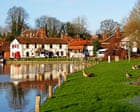
The concrete rupture in the UK's environmental policy is the call by Labour MP Chris Hinchliff to block the construction of nearly 16,000 new homes in the Norfolk Broads. This area, known for its unique wetland ecosystem and biodiversity, is under threat from a wave of development that critics describe as 'cash to trash' housebuilding. The immediate shockwave is a renewed debate over the balance between housing supply and environmental protection, with the MP urging the environment watchdog to intervene. The move is a direct challenge to the government's planning rules, which have been criticized for prioritizing economic growth over ecological preservation.
The underlying tension is rooted in the structural pressures on the UK's housing market. The demand for new homes is driven by population growth and economic factors, while the supply is constrained by planning regulations and environmental concerns. The institutional friction arises from the competing interests of developers, local communities, and environmental groups, each vying for influence over the future of the Norfolk Broads. This tension is exacerbated by the political dynamics surrounding housing policy, with different parties and factions advocating for different approaches to balancing these competing needs. The conflict is a microcosm of the broader challenges facing the UK in managing its natural resources in the face of economic and demographic pressures.
The downstream consequences of this dispute will be felt in the long-term health of the Norfolk Broads ecosystem and the social fabric of the local communities. The tangible outcome of allowing the development would be a significant increase in housing stock, but at the cost of environmental degradation and potential loss of biodiversity. The long-term impact will be a redefinition of the UK's approach to planning and conservation, with potential implications for other protected areas. This conflict is a critical test of the government's commitment to balancing economic growth with environmental sustainability, and its resolution will have far-reaching consequences for the future of the UK's natural heritage.
Comments 0