Offshore Energy Stalled: Greenpeace Activists Force Emergency Shutdown at Woodside’s Multi-Billion Dollar Australian Gas Project
Environmental direct action successfully interrupted operations at Woodside Energy's massive offshore liquefied natural gas extraction platform off the coast of Western Australia. Two protesters scaled maritime infrastructure, triggering immediate legal charges and an enforced industrial standstill.
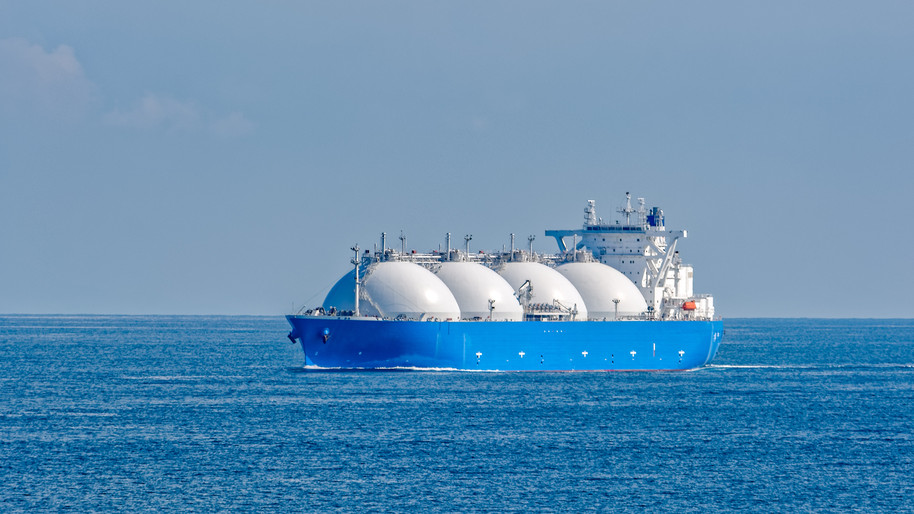
The fierce global debate over fossil fuel extraction escalated dramatically in the maritime waters of Western Australia when environmental campaigners executed a high-risk occupation of critical energy infrastructure. Two dedicated activists associated with Greenpeace managed to breach security perimeters and board the industrial installations servicing Woodside Energy's colossal Scarborough gas development, valued at twelve and a half billion dollars. Their physical presence on the petroleum platform forced operators to institute immediate safety shutdowns to prevent industrial accidents during the unauthorized boarding.
Maritime security teams and local law enforcement responded swiftly, detaining the individuals and lodging formal criminal charges for interfering with offshore petroleum installations. The Scarborough project represents a cornerstone of regional energy supply strategies, designed to extract vast hydrocarbon reserves to meet surging domestic and international demands. Environmental coalitions, however, have targeted the venture as a primary driver of carbon emissions that exacerbate planetary warming, choosing high-visibility civil disobedience to register their opposition against corporate boardrooms and government regulators.
The immediate economic consequence involves delayed drilling schedules and heightened security expenditures for offshore operators navigating vast coastlines. Over the longer horizon, such direct actions harden corporate resolve to lobby for harsher federal penalties against maritime trespassing, while simultaneously drawing international legal attention to the ongoing financing of major fossil fuel projects in sensitive marine ecosystems.
Comments 0