Oil Holds Near $110 as Supply Fears Tighten Their Grip
Crude prices remain near $110 a barrel as geopolitical tensions revive concerns about supply security. The sustained level raises transport, production and inflation costs for import-dependent economies while granting greater bargaining power to producers.
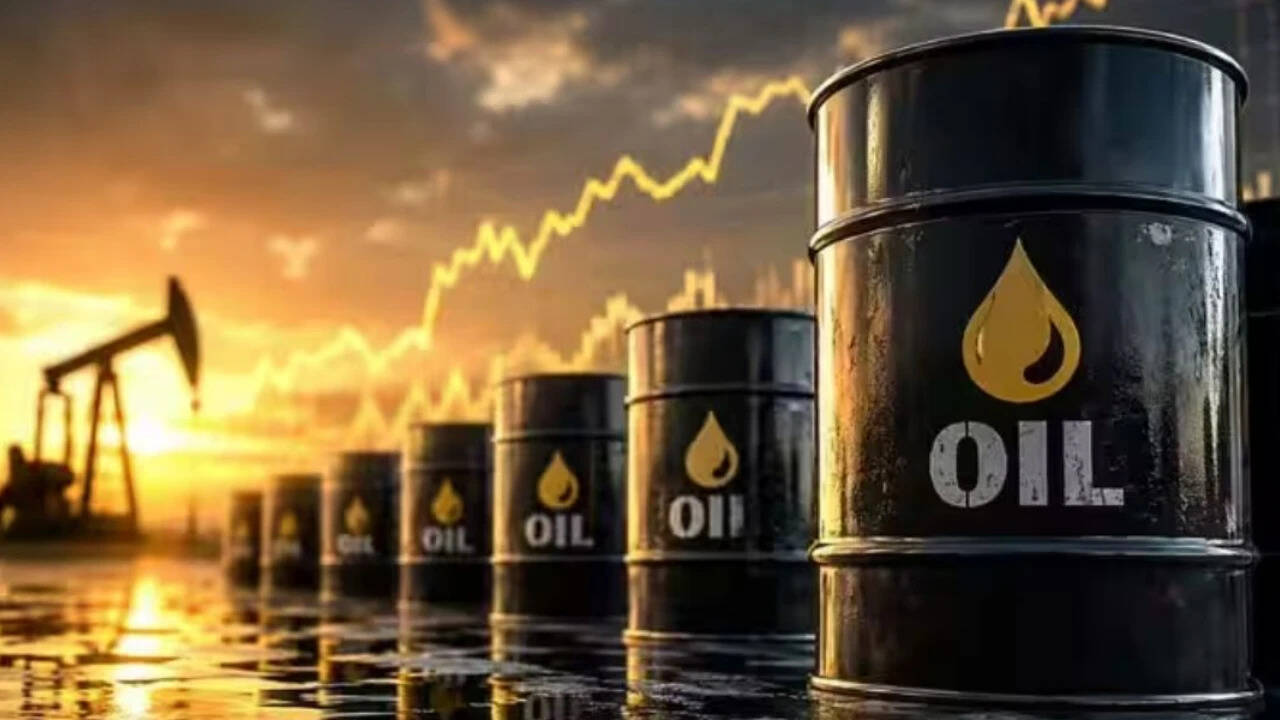
Oil hovering near $110 a barrel has turned a geopolitical risk into an immediate economic charge. Countries that depend on imported fuel must now reckon with dearer freight, more expensive electricity and a broad pass-through into the prices paid by households and businesses. The immediate shock lies in the combination of a high price and persistent uncertainty: markets know that even the slightest interruption can lift costs further.
The tension behind the price signal is the familiar struggle between supply security and the demand to keep energy flowing. Producers retain leverage because buyers cannot readily replace disrupted supplies, while consumers and manufacturers absorb the consequences through fuel surcharges, reduced margins or higher retail prices. Central banks face a harder choice as energy costs complicate efforts to restrain inflation without deepening economic weakness.
The tangible burden will fall first on fuel importers, airlines, shipping operators and energy-intensive industries. Governments may be pressed to release reserves, adjust taxation or offer targeted relief, measures that can ease the first impact but rarely remove the underlying dependence. If the present level persists, the effects will spread beyond energy markets, weakening purchasing power and altering the investment decisions of businesses whose forecasts now assume dearer inputs.
Comments 0