Oil Markets Brace for a Prolonged Era of Supply Scarcity
The ongoing conflict between the United States, Israel, and Iran has shifted oil market sentiment from short-term panic to a structural expectation of high prices through 2027. Analysts now view the supply tightness as a permanent feature of the global energy equation rather than a temporary disruption.
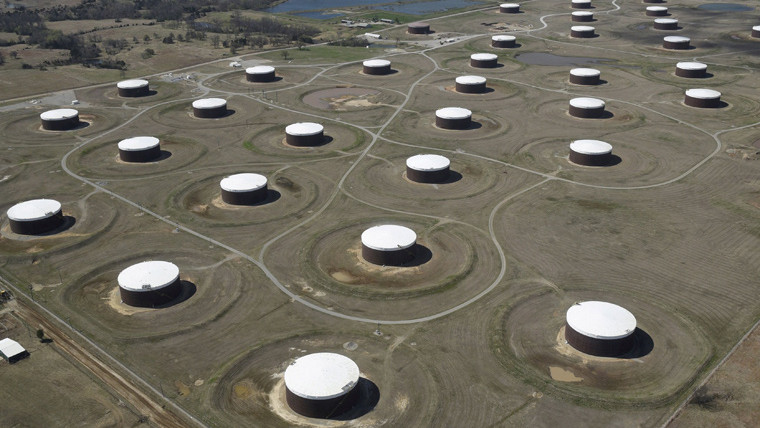
The initial optimism that the war would conclude swiftly has evaporated, replaced by a grim consensus that the global oil supply will remain constrained for the foreseeable future. The brief ceasefire in June offered a fleeting respite, but the subsequent resumption of hostilities has cemented the view that the conflict is a protracted affair. This shift in mood has driven prices higher, as traders and investors adjust their models to account for a sustained reduction in available barrels from key producing regions.
The institutional friction arises from the disconnect between the political rhetoric of peace and the economic reality of supply chain fragility. Energy companies are forced to make long-term capital expenditure decisions under conditions of extreme uncertainty, leading to a cautious approach that may further limit supply growth. The underlying tension is between the desire for energy security and the economic cost of maintaining strategic reserves, a balance that is increasingly difficult to strike in a volatile geopolitical environment.
The downstream casualties include consumers and industries heavily dependent on energy, who face the prospect of higher costs for years to come. The structural consequence is a potential acceleration of the transition to alternative energy sources, as the economic viability of renewables improves in the face of persistent oil price volatility. This shift could reshape the global energy map, reducing the influence of traditional oil-producing nations and empowering those with advanced renewable technology.
Comments 0