Oil Plunges as Iran's Hormuz Deal Reaches the White House
Brent crude dropped 3.6% to $94 per barrel as Qatar's prime minister delivered an Iranian proposal for an interim deal to reopen the Strait of Hormuz to the White House. This diplomatic breakthrough has triggered a sharp correction in global energy markets, signaling a potential de-escalation in the Middle East that could reshape geopolitical alliances.
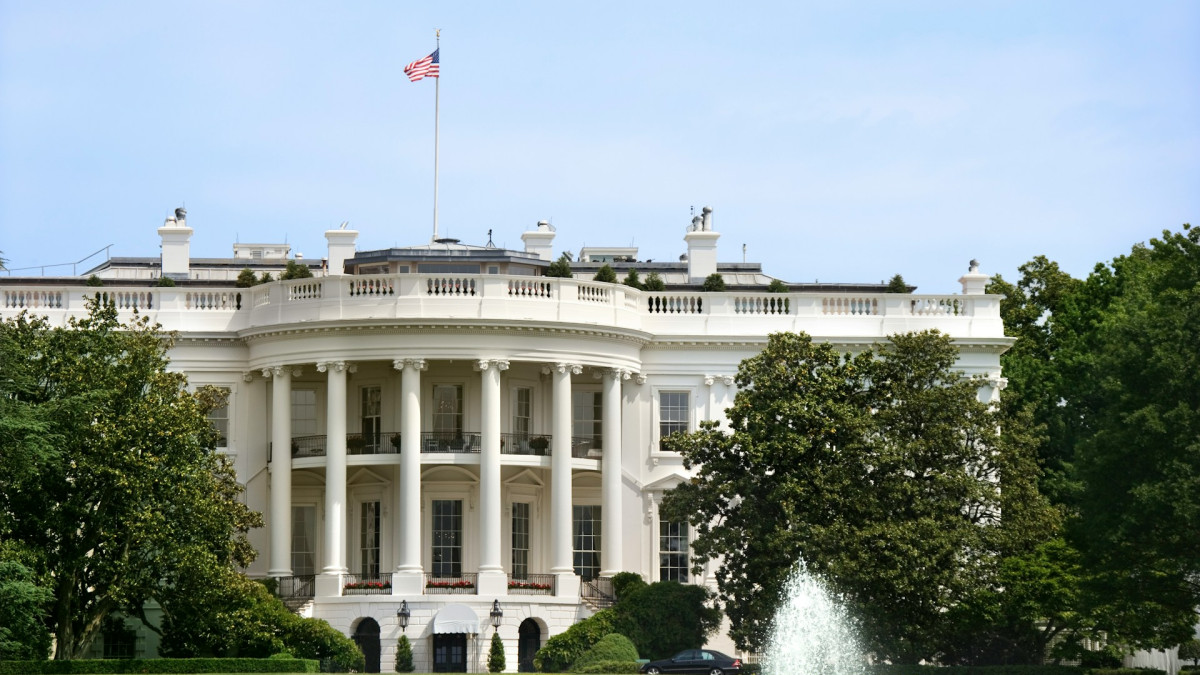
The concrete rupture in the energy market is the immediate price correction following the news of the Iranian proposal. Brent crude's fall to $94 and WTI's drop to $88.09 reflect a sudden shift in market sentiment from fear of supply disruption to hope for normalized trade. The involvement of Qatar as a mediator adds a layer of diplomatic complexity, suggesting that regional powers are actively working to stabilize the situation. The immediate shockwave is felt in global energy budgets, as countries that had hedged against higher prices now face a different set of economic challenges, including potential inflation adjustments.
The underlying tension stems from the long-standing standoff between the United States and Iran, which has kept the Strait of Hormuz, a critical chokepoint for global oil transport, in a state of perpetual risk. The institutional friction here is between the hardline factions within Iran who oppose any concession to the US and the pragmatic elements seeking economic relief. The proposal for an interim deal indicates a willingness to engage, but the success of this diplomacy depends on the US administration's willingness to accept a partial resolution rather than a comprehensive one. This dynamic creates a fragile equilibrium that could be easily disrupted by any miscalculation.
The downstream casualties of a prolonged conflict would have been severe, with global inflation spiking and energy-dependent economies facing recession. The tangible outcome of this potential deal is a stabilization of oil prices, which provides relief to consumers and businesses worldwide. However, the 12-month structural consequence is a reconfiguration of Middle Eastern alliances, with Qatar and other Gulf states playing a more active role in diplomatic mediation. This shift could reduce the US's direct military involvement in the region, altering the balance of power and potentially leading to a more multipolar security architecture in the Middle East.
Comments 0