‘One Air India Group:’ New CEO focuses on synergy to cut losses, improve operations
Air India has appointed Tewolde Gebremariam as its new chief executive officer, and he is emphasizing a single‑brand strategy to reverse the airline’s losses. The plan calls for tighter coordination among Air India, Air India Express and Alliance Air to improve cost efficiency and service quality.
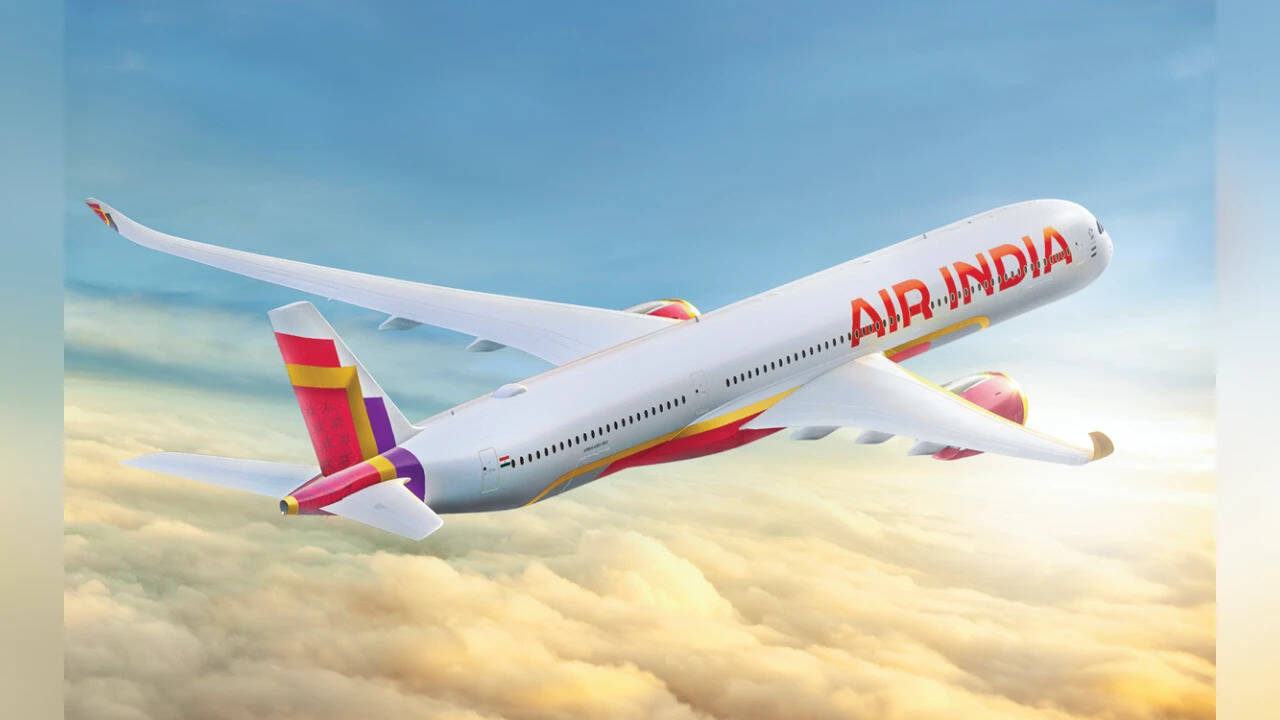
Air India, the national carrier owned by the Indian government, has struggled with persistent deficits for many years, reporting losses that have eroded its balance sheet and limited its ability to invest in newer aircraft. Competition from private airlines such as IndiGo, SpiceJet and Vistara has intensified pressure on fares and market share, while rising fuel costs and a complex labor structure have added to the financial strain. The airline’s three subsidiaries , the full‑service carrier, the low‑cost arm Air India Express and the regional operator Alliance Air , have operated with separate management systems, creating duplication in procurement, scheduling and customer service.
Tewolde Gebremariam, who previously led Ethiopian Airlines, has outlined a roadmap that treats the three entities as a single operational unit. He intends to harmonize fleet planning so that aircraft types are shared across routes, reduce overlapping staff functions, and introduce a common digital platform for ticketing and baggage handling. By aligning route networks, the group can avoid cannibalising its own traffic and focus on high‑yield sectors such as long‑haul international flights and profitable domestic corridors. Cost control measures will include renegotiating supplier contracts, streamlining ground handling, and adopting fuel‑saving procedures across the fleet.
For passengers in India, the changes could translate into more reliable flight schedules, smoother connections and potentially lower ticket prices as the airline moves toward profitability. Employees may see a restructuring of roles, but the unified approach is expected to protect jobs by stabilising the business. Industry analysts view the plan as a necessary step for the carrier to regain credibility with investors and to support the government’s goal of maintaining a strong public airline that can serve remote regions and promote tourism.
Comments 0