OneTag Rewires India Toll Infrastructure by Ending Bank Lock-Ins
Union Minister Nitin Gadkari unveiled OneTag at the Global Fintech Fest in Mumbai, allowing motorists to switch issuer banks without discarding their physical FASTag hardware. The reform immediately strips proprietary toll monopolies from individual lenders, returning wallet balances through streamlined digital KYC channels.
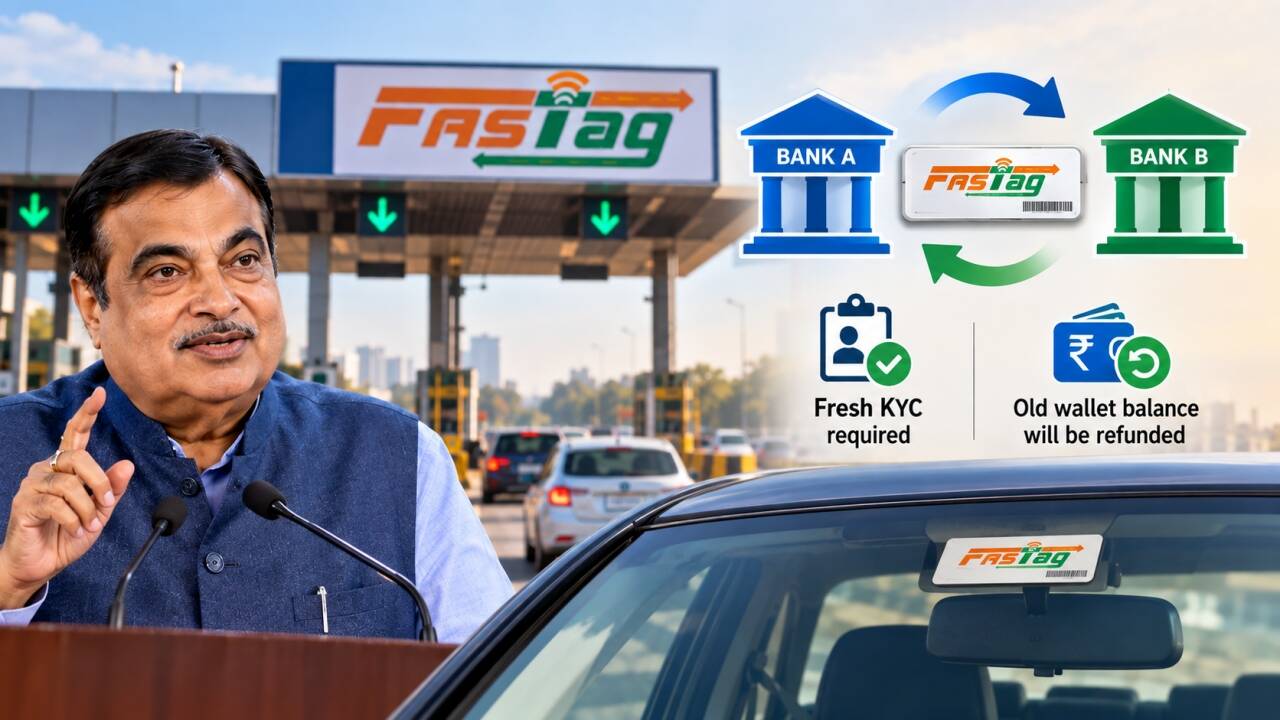
For years, acquiring a FASTag meant binding oneself to a specific commercial lender, creating bureaucratic friction whenever motorists wished to switch providers due to poor service or hidden charges. The mandatory replacement of physical RFID tags frequently resulted in lost deposits, cumbersome paperwork, and frozen wallet balances stranded in legacy accounts. By decoupling the underlying financial account from the physical windshield sticker, the new regulatory framework introduces portabilty akin to mobile number portability, compelling banks to compete directly on consumer service rather than captive audience capture. The reform exposes deep structural friction within India digital toll collection architecture, where banks previously treated toll wallets as low-cost deposit pools while imposing friction on customer churn. The National Highways Authority of India and participating financial institutions faced intense technical hurdles to synchronize backend ledger systems without compromising toll plaza latency or vehicle throughput. Traditional lenders resisted the loss of float income derived from idle motorist balances, forcing regulators to mandate strict escrow protection and automated refund protocols during bank migrations. The immediate beneficiaries are millions of daily commuters and commercial fleet operators who can now reallocate toll funds instantly across competing financial platforms without administrative penalties. Commercial banks that previously relied on captive toll accounts must now upgrade their digital interfaces and customer support infrastructure to retain accounts. Downstream, the shift signals a broader regulatory intolerance for digital lock-in mechanisms across Indian fintech, setting a demanding precedent for other closed-loop payment systems.
Comments 0