Opposition Confrontation Escalates as Rahul Gandhi Targets Economic Policy During Columbia University Address
Senior Indian opposition figure Rahul Gandhi used an academic platform at Columbia University to launch sharp critiques against India's economic management and electoral administration. The remarks triggered swift, vehement condemnation from the ruling Bharatiya Janata Party, amplifying cross-continental political friction.
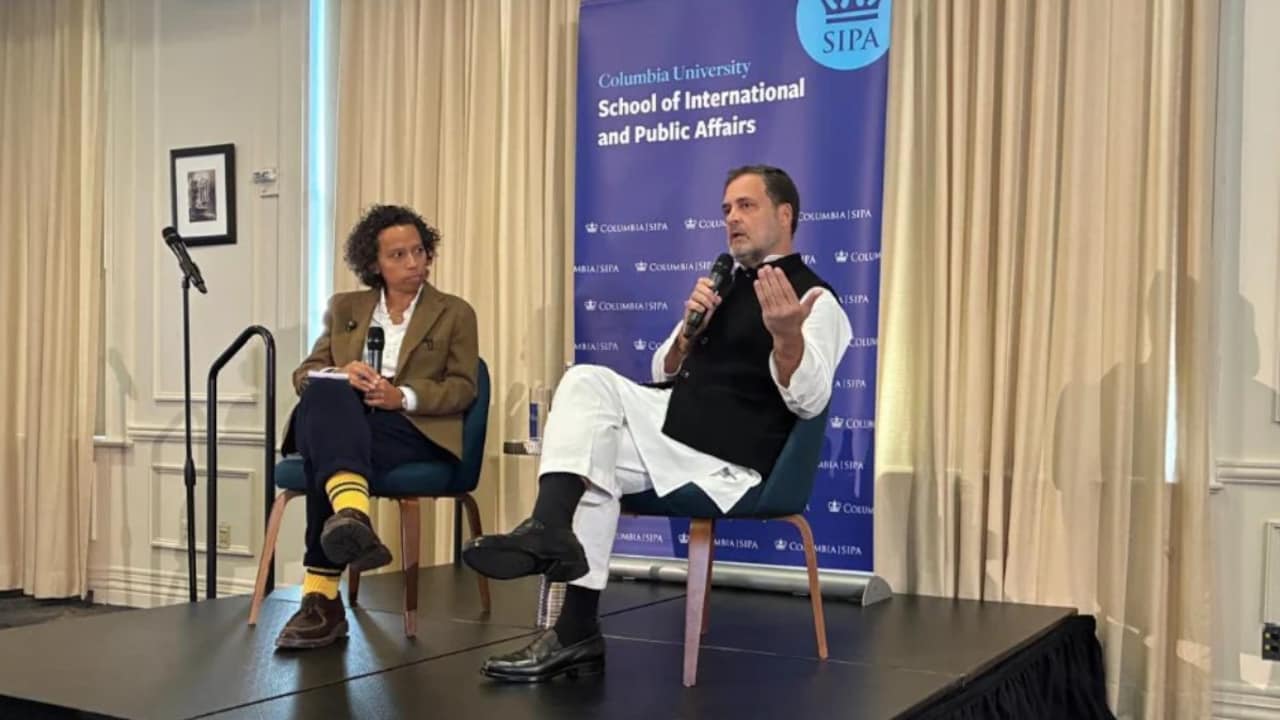
The theater of Indian domestic politics frequently extends beyond national borders, utilizing international academic institutions as platforms for ideological combat. During his interaction at Columbia University, Rahul Gandhi renewed his attacks on the economic trajectory of the nation and raised systemic questions regarding election administration. By airing domestic grievances on an international stage, the opposition leadership aims to rally diaspora support and draw global scrutiny toward internal governance models.
The ruling Bharatiya Janata Party responded with immediate counter-offensive measures, labeling the remarks as fundamentally anti-national and accusing the opposition of undermining India's global economic standing for partisan gain. This cycle of overseas critique and domestic denunciation has become a defining characteristic of contemporary political discourse in the subcontinent. The strategy reflects a high-stakes battle to control the narrative regarding India's developmental success and institutional integrity.
The downstream casualty of this persistent polarization is the erosion of bipartisan consensus on foreign policy and national image-building. As political combatants take domestic disputes to international forums, foreign investors and observers are left navigating deeply partisan accounts of India's macroeconomic reality. The lasting consequence is an increasingly fragmented political where institutional credibility is continuously contested across borders.
Comments 0