Ottawa in the Eurozone Orbit
European Commission President Ursula von der Leyen proposed making Canada the European Union's first associate member. This diplomatic overture follows aggressive U.S. tariff pressures that are actively driving Canadian policymakers to diversify their strategic economic alliances.
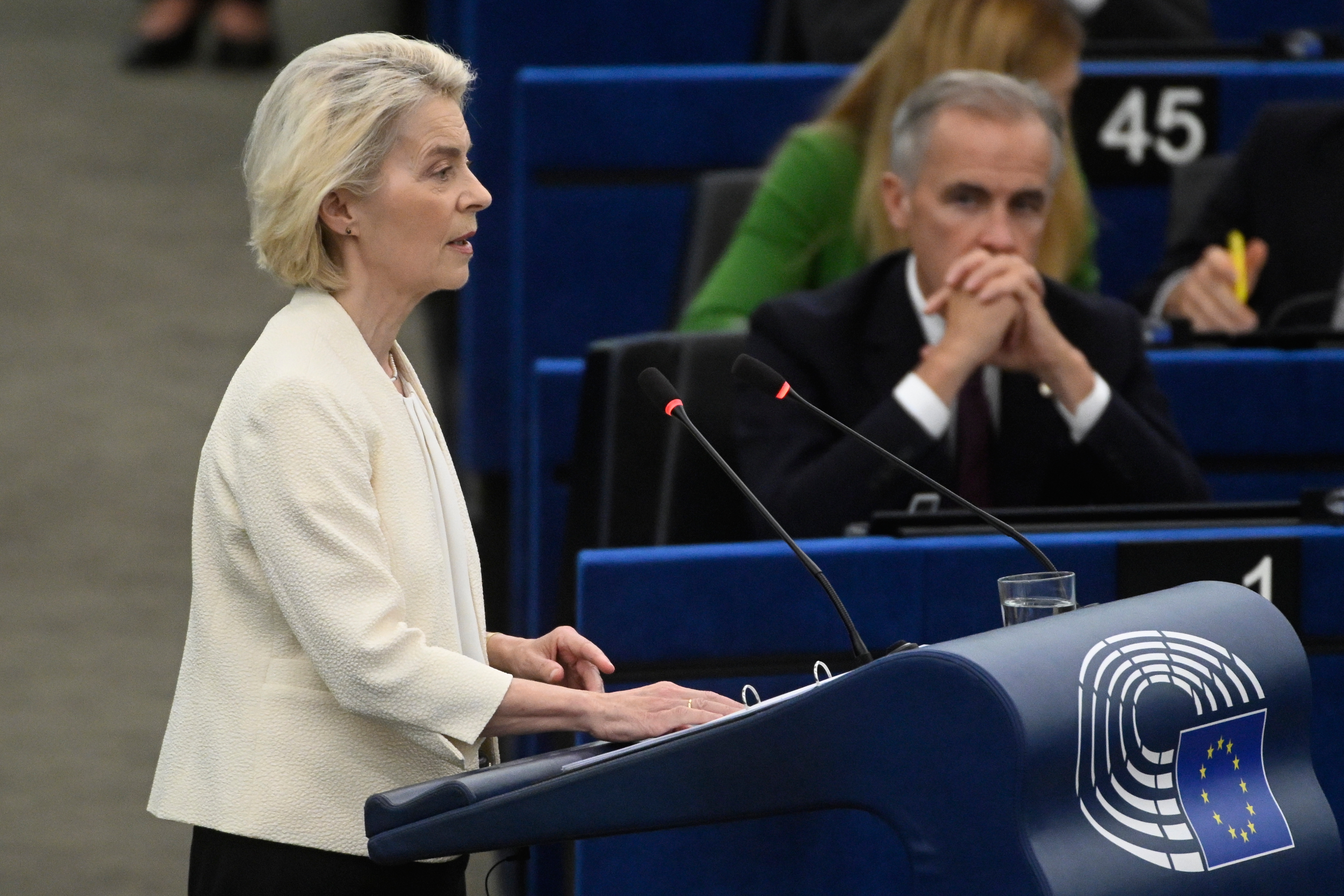
The formal proposition floated by Brussels marks a radical departure from traditional transatlantic trade architectures. For decades, Canadian economic sovereignty remained anchored tightly to North American supply chains and bilateral pacts with Washington. Facing severe protectionist headwinds and unpredictable tariff escalations from the United States, Ottawa finds itself compelled to seek alternative diplomatic cushions. European officials recognize an opening to integrate resource-rich Canadian markets directly into European regulatory frameworks. At the center of this sudden geopolitical realignment lies profound anxiety over trade weaponization. The American administration has utilized sweeping import levies as blunt instruments of economic coercion, leaving middle powers scrambling for institutional shelter. By extending an associate membership model to Canada, the European Union attempts to secure reliable critical mineral supplies and agricultural exports while projecting regulatory power westward. Domestic Canadian politics, meanwhile, is experiencing acute division over whether closer European integration might compromise existing North American trade obligations. The immediate consequence is a fundamental rewriting of Western trade diplomacy. Should Ottawa accept the invitation, supply chains across the Atlantic will face extensive restructuring, accompanied by long-term adjustments in energy exports and manufacturing standards. American policymakers will likely view this diplomatic pivot as an unwelcome challenge to regional hegemony, setting the stage for retaliatory commercial friction. Ultimately, the move signals the premature fracturing of post-Cold War economic blocs into opportunistic bilateral alliances.
Comments 0