Over 950 Surgical Units Deployed in Bihar District Hospitals to Reduce Referrals
The health ministry installed nearly a thousand operating suites across district facilities, aiming to curtail patient transfers to tertiary centres. Early data shows a modest decline in referral volumes.
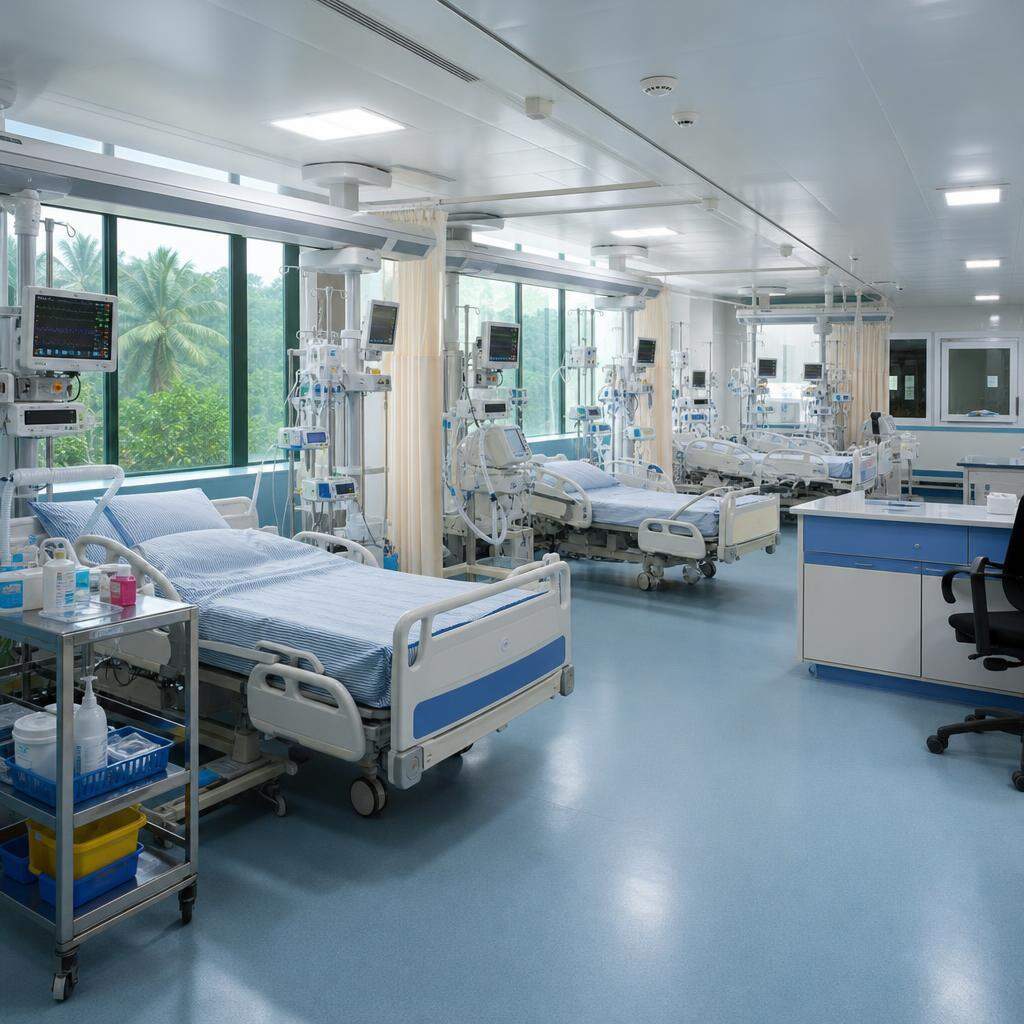
The concrete rupture materialised when the Bihar health department announced the completion of a rollout that placed nine hundred and fifty surgical units in district hospitals spanning the state. Each unit comprises essential equipment such as anesthesia machines, sterilisation apparatus, and basic operative tables, enabling a range of procedures from appendectomies to orthopedic repairs to be performed locally. The initiative, funded through a combination of state allocations and central grants, seeks to alleviate the chronic burden on referral hospitals in Patna and other urban centres, where waiting lists have historically stretched into months.
Underlying tension revolves around the disparity between infrastructural ambition and the readiness of medical personnel to utilise the new assets. While the equipment arrives in pristine condition, many district facilities lack adequately trained surgeons and support staff, prompting concerns that the units may remain underused. The state government has therefore launched a parallel training programme, dispatching specialist teams to conduct workshops and mentorship visits. Opposition parties have criticised the rollout as a politically timed showcase ahead of upcoming elections, arguing that sustainable improvement requires systemic reforms in staffing, supply chains, and maintenance protocols.
Downstream effects are beginning to surface as patient flow patterns shift. Preliminary reports indicate a ten percent reduction in inter‑district referrals, translating into shorter travel times and lower out‑of‑pocket expenses for rural families. However, the increased surgical activity has also heightened demand for postoperative care, stretching the capacity of existing ward beds and prompting a modest rise in temporary staffing contracts. Long‑term, the programme could reshape health‑seeking behaviour, encouraging communities to trust local facilities and potentially reducing urban migration for medical reasons. Continuous monitoring will be essential to ensure that the capital investment yields lasting improvements in health outcomes across Bihar.
Comments 0